
 العربية
 Español
 中文
中文 Deutsch
 Français
 Português
This is the final part of the 7-part series: "Apple at 50." Part 6 ended with the iPhone shipping on June 29, 2007 and Apple Computer Inc. legally becoming Apple Inc. Part 7 covers the next 19 years - from the App Store to Apple Silicon, from Steve Jobs's death to Tim Cook's transition, from a 175 billion dollar company to over 4 trillion. This is how the iPhone era ended.
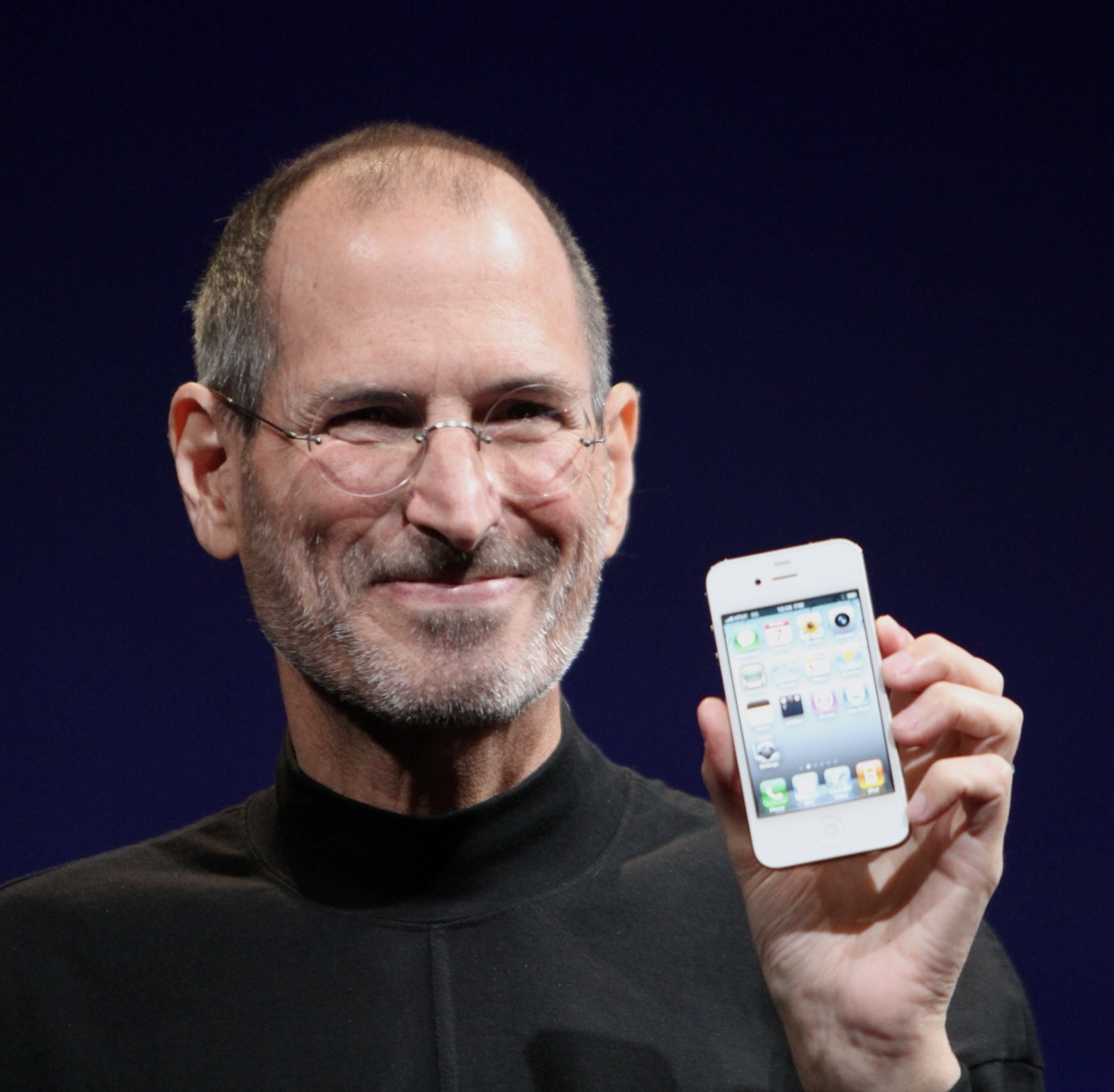
Steve Jobs holding the iPhone 4 at WWDC 2010. The single product that funded everything that followed. Photo: Matthew Yohe, Wikimedia Commons, CC BY-SA 3.0.
1. July 10, 2008 - The App Store
The original iPhone shipped in 2007 without any third-party apps. Developers could only make web apps that ran inside Safari. Inside Apple, there was a fierce internal debate about whether to open the iPhone platform to third-party native code at all. Steve Jobs initially opposed it. He worried about security, instability, and brand damage from bad apps.
He was overruled by his own executive team. On July 10, 2008, Apple opened the App Store, simultaneously with the launch of the iPhone 3G. The terms were simple: developers kept 70 percent of revenue. Apple kept 30 percent for distribution and payment processing.
| Year | Cumulative App Store Payouts to Developers |
| 2008 (launch) | ~0 |
| 2013 | 10 billion |
| 2018 | 100 billion |
| 2021 | 200 billion |
| 2024 | Over 320 billion |
The strategic significance: The App Store turned the iPhone from a hardware product into a software platform with massive network effects. Every iPhone shipped meant more developers built for it. More developers meant more reasons to buy an iPhone. The flywheel ran for nearly two decades. The 30 percent commission - controversial through the EU's Digital Markets Act and the US DOJ antitrust case - became the most-fought-over number in the technology industry.
2. January 27, 2010 - The iPad
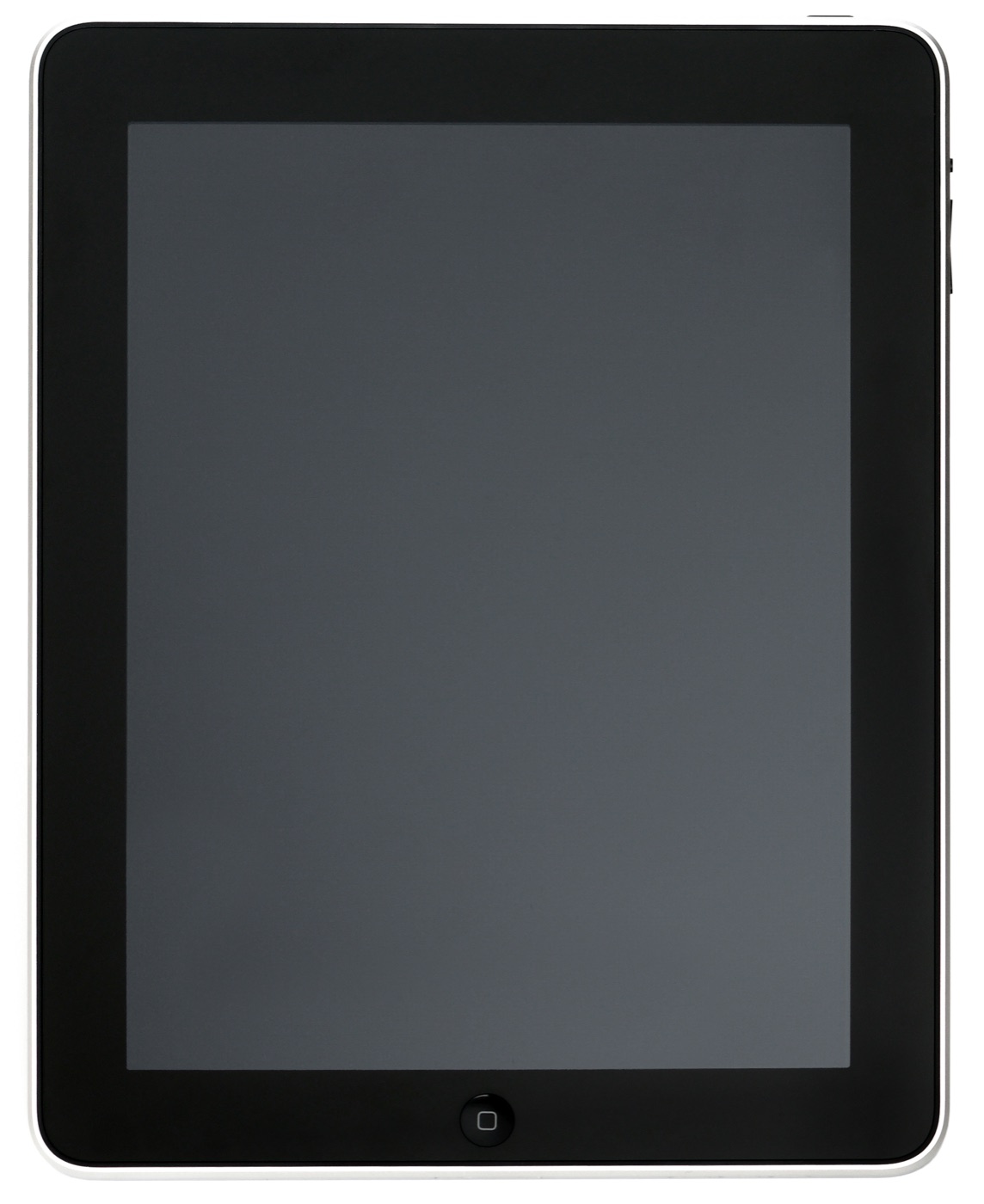
The original iPad (January 2010). 9.7-inch display. 499 dollars. 300,000 sold the first day. Photo: Wikimedia Commons, CC BY-SA.
At a press event at the Yerba Buena Center for the Arts in San Francisco, Steve Jobs introduced the iPad. He framed it as a third category - between the iPhone and the MacBook - that needed to be "far better at doing some key things" than either device.
| Spec | Original iPad (2010) |
| Display | 9.7-inch IPS LCD, 1024x768 |
| Processor | Apple A4 (1 GHz, single core) |
| Storage | 16 / 32 / 64 GB |
| Battery | 10 hours |
| Weight | 680 g (1.5 lb) |
| Price | 499 / 599 / 699 dollars (Wi-Fi); 629 / 729 / 829 (Wi-Fi + 3G) |
| First-day sales | 300,000 units |
| First 9 months | 15 million units |
The iPad was the fastest-selling new product category Apple had ever launched. It quickly became a 30 billion dollar annual business and remains, in 2026, the dominant tablet platform globally.
3. October 5, 2011 - Steve Jobs Dies
Jobs's pancreatic cancer, treated with surgery in 2004, returned in 2008. He underwent a liver transplant in 2009 - a procedure that bought him roughly two more years. He took medical leaves in 2009 and again in early 2011. Tim Cook ran the company in his absence both times.
On August 24, 2011, Jobs resigned as CEO with a brief letter to the board. Cook became permanent CEO. Six weeks later, on October 5, 2011, Jobs died at his home in Palo Alto. He was 56.
"Remembering that I'll be dead soon is the most important tool I've ever encountered to help me make the big choices in life. Almost everything - all external expectations, all pride, all fear of embarrassment or failure - these things just fall away in the face of death, leaving only what is truly important."
- Steve Jobs, Stanford Commencement, 2005
By the time of his death, Apple's market cap was around 350 billion dollars. The iPhone 4S had launched the day before he died. Apple Stores worldwide became impromptu memorials.
4. The Cook Era Begins (2011-2014)
The market consensus, as it had been when Cook took over from Jobs in his absences, was that Apple would stagnate within a few years. There would be no more world-changing products. The post-Jobs era would be a slow decline.
That consensus was wrong. The first three years of Cook's tenure were dedicated to scaling and refining the existing iPhone-iPad-Mac empire. iPhone 5 (2012) was Apple's first 4-inch screen. iPhone 5s (2013) introduced Touch ID. iPhone 6 / 6 Plus (2014) was the long-awaited large-screen iPhone - and the single biggest product launch in Apple's history at that point, selling over 70 million units in 100 days.
The one stumble: September 2012's launch of Apple Maps to replace Google Maps in iOS 6. The product shipped with severe data quality problems - missing streets, mislabeled landmarks, distorted satellite imagery. Cook personally apologized in a public letter, fired the executive responsible (Scott Forstall, head of iOS), and hired Eddy Cue to fix it. By 2018, Apple Maps had been quietly rebuilt and was competitive again.
5. April 24, 2015 - Apple Watch
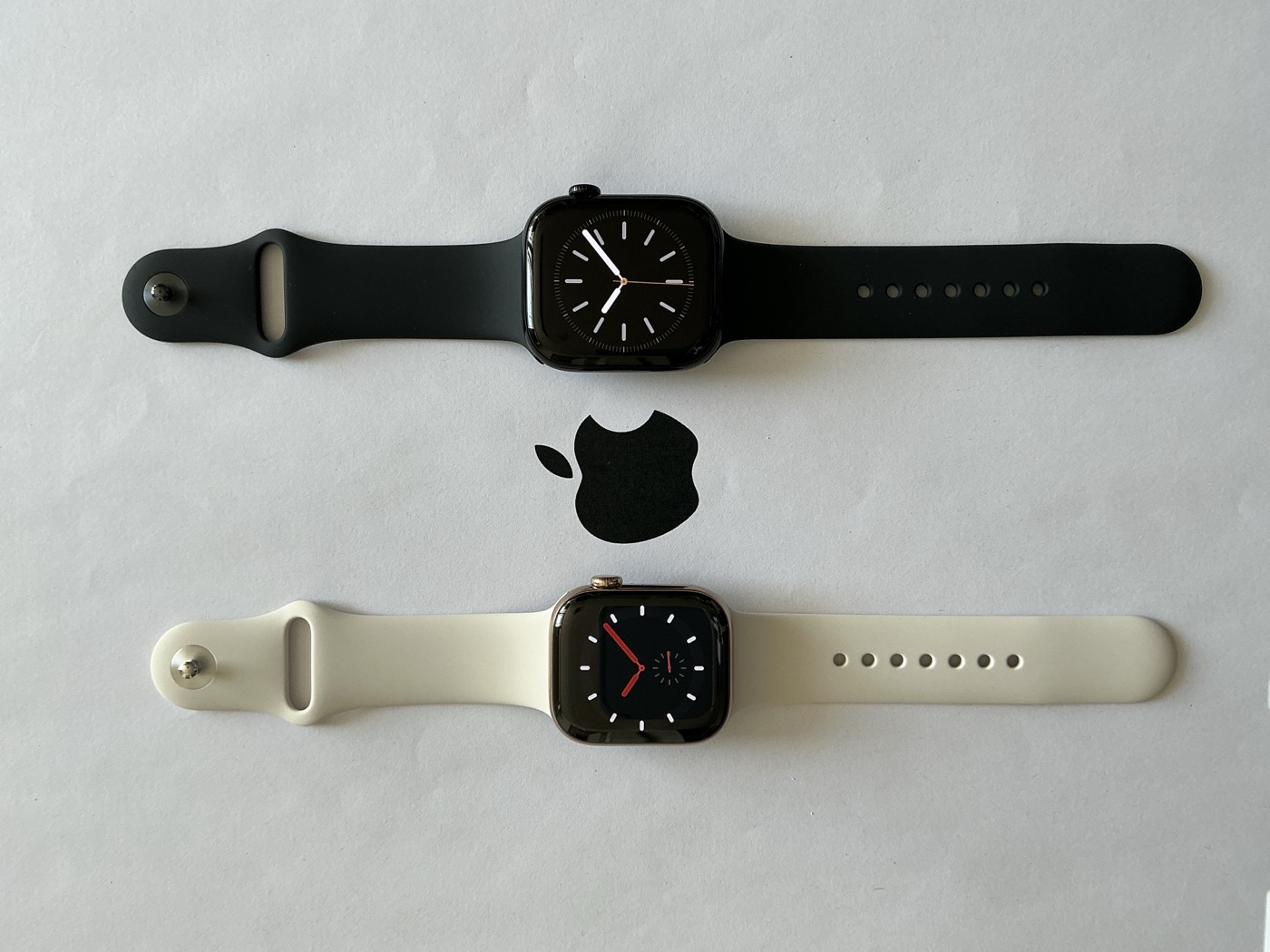
Apple Watch - the first major product category launched entirely under Cook's leadership. Now a 20+ billion dollar annual business. Photo: Wikimedia Commons, CC BY-SA.
Apple Watch shipped on April 24, 2015 - the first major new product category Apple had launched since the iPad in 2010, and the first developed entirely under Cook's leadership. The initial reception was mixed; reviewers struggled to articulate exactly what the Apple Watch was for.
Over the next decade, the answer became clear: it was a health platform. ECG (2018), fall detection (2018), blood oxygen sensing (2020), atrial fibrillation history (2022), and most recently sleep apnea detection (2024) turned Apple Watch into a clinically meaningful health monitor on millions of wrists. By 2025, Apple Watch was a 25+ billion dollar annual business.
6. December 2016 - AirPods
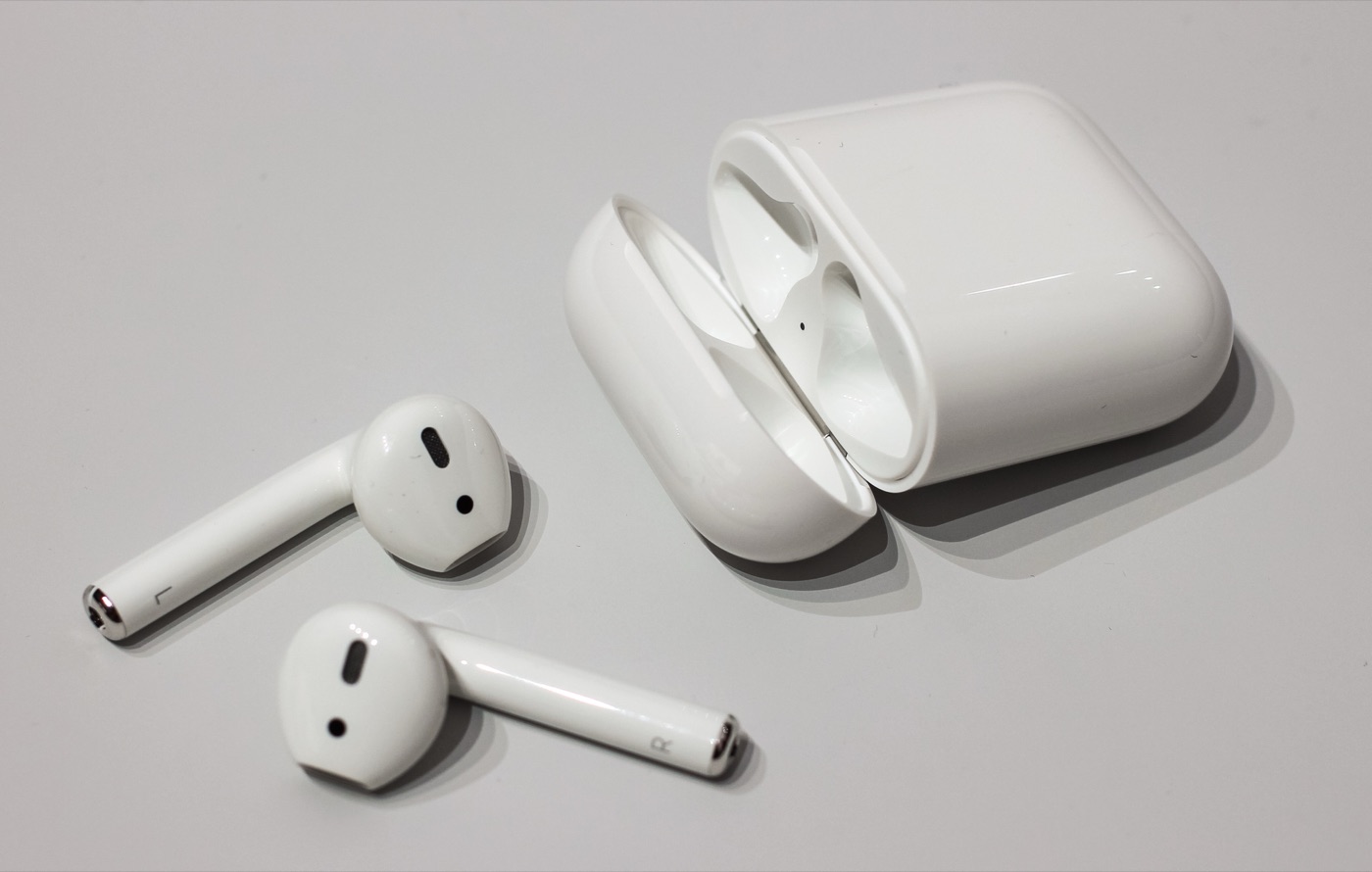
Original AirPods (2016). Mocked at launch as overpriced and looking ridiculous. Now the best-selling consumer audio product in human history. Photo: Wikimedia Commons, CC BY-SA.
AirPods launched in December 2016 to mockery. Critics said the design was ugly, the price was too high, and the technology was generic. Cook personally championed the product through internal skepticism.
By 2024, AirPods were generating roughly 18 billion dollars in annual revenue. Apple's overall Wearables, Home, and Accessories segment - dominated by Watch and AirPods - reached approximately 40 billion dollars annually, larger than the entire Mac business.
7. August 2, 2018 - One Trillion Dollars
On August 2, 2018, Apple's market capitalization crossed 1 trillion dollars for the first time. It was the first US company to reach this milestone. The growth from Cook's start (350 billion in 2011) to 1 trillion in 7 years was unprecedented.
8. November 10, 2020 - Apple Silicon (M1)
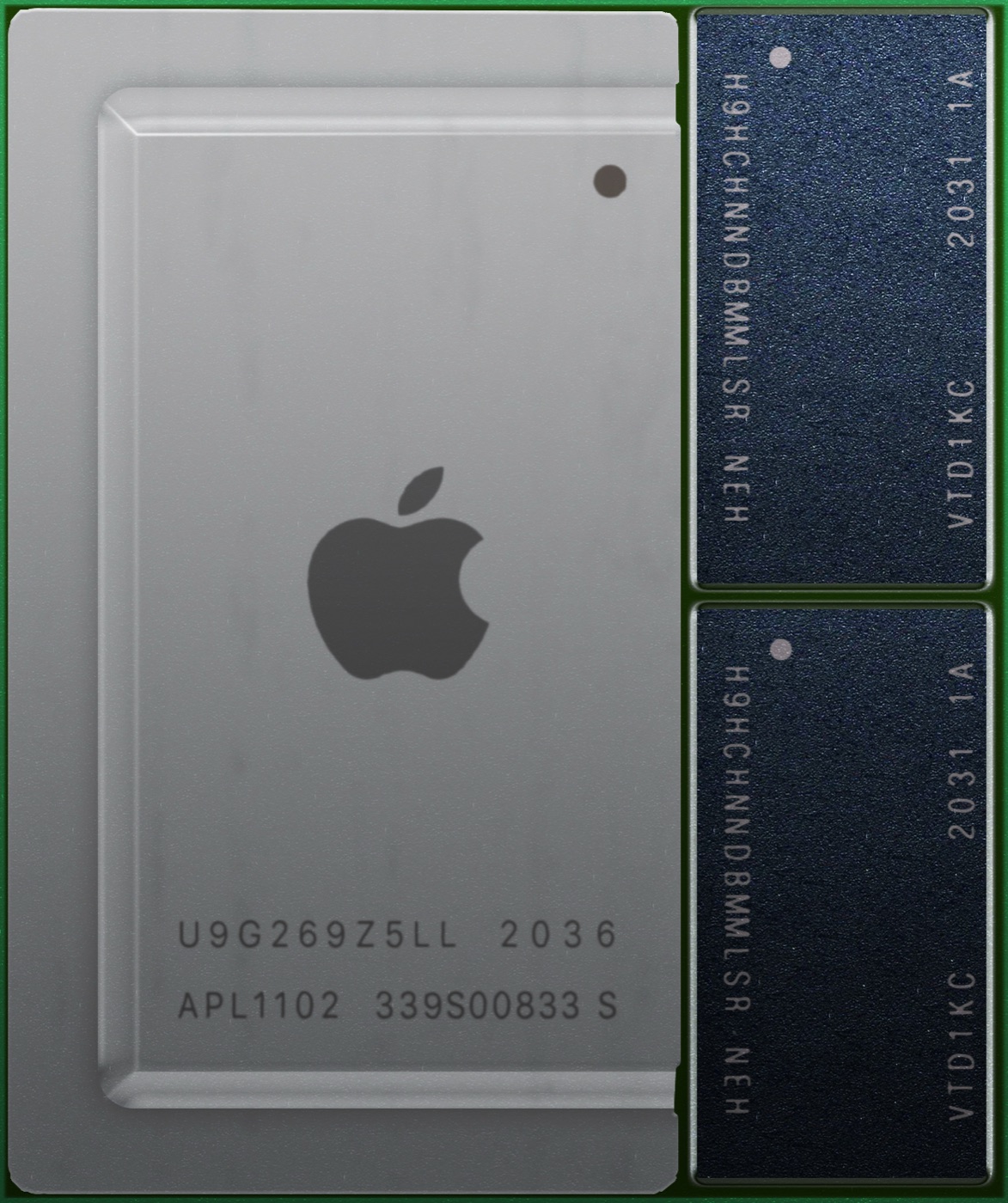
The Apple M1 (November 2020) - the first ARM-based silicon Apple designed for the Mac. Defined the next decade of personal computing. Photo: Wikimedia Commons, CC BY-SA.
In June 2020, Cook announced at WWDC that Apple would once again transition the entire Mac line to a new processor architecture. This time, from Intel x86 to Apple's own ARM-based silicon. The first chip - the M1 - shipped on November 10, 2020 in the MacBook Air, MacBook Pro 13, and Mac Mini.
The performance and battery life surpassed Intel-based Macs by a margin most reviewers had not believed possible. The transition was completed in 2022 with the Mac Pro M2 Ultra. Apple Silicon was - by industry consensus - the most successful technical transition any major computing platform has executed.
The man who ran the Apple Silicon transition: John Ternus. He was Apple's Senior VP of Hardware Engineering by the M1 launch. The success of the Apple Silicon transition is the single biggest reason the Apple board chose him to be the next CEO.
9. The Trillion Cascades (2018-2025)
| Date | Milestone |
| August 2, 2018 | 1 trillion dollar market cap (first US company) |
| August 19, 2020 | 2 trillion (24 months later) |
| January 3, 2022 | 3 trillion briefly (intraday) |
| 2025 | 4 trillion sustained |
Each trillion was a faster lap than the last. The COVID-era acceleration of digital life - and the iPhone's role at the center of it - was a tailwind. So was the App Store revenue compounding.
10. February 2, 2024 - Apple Vision Pro
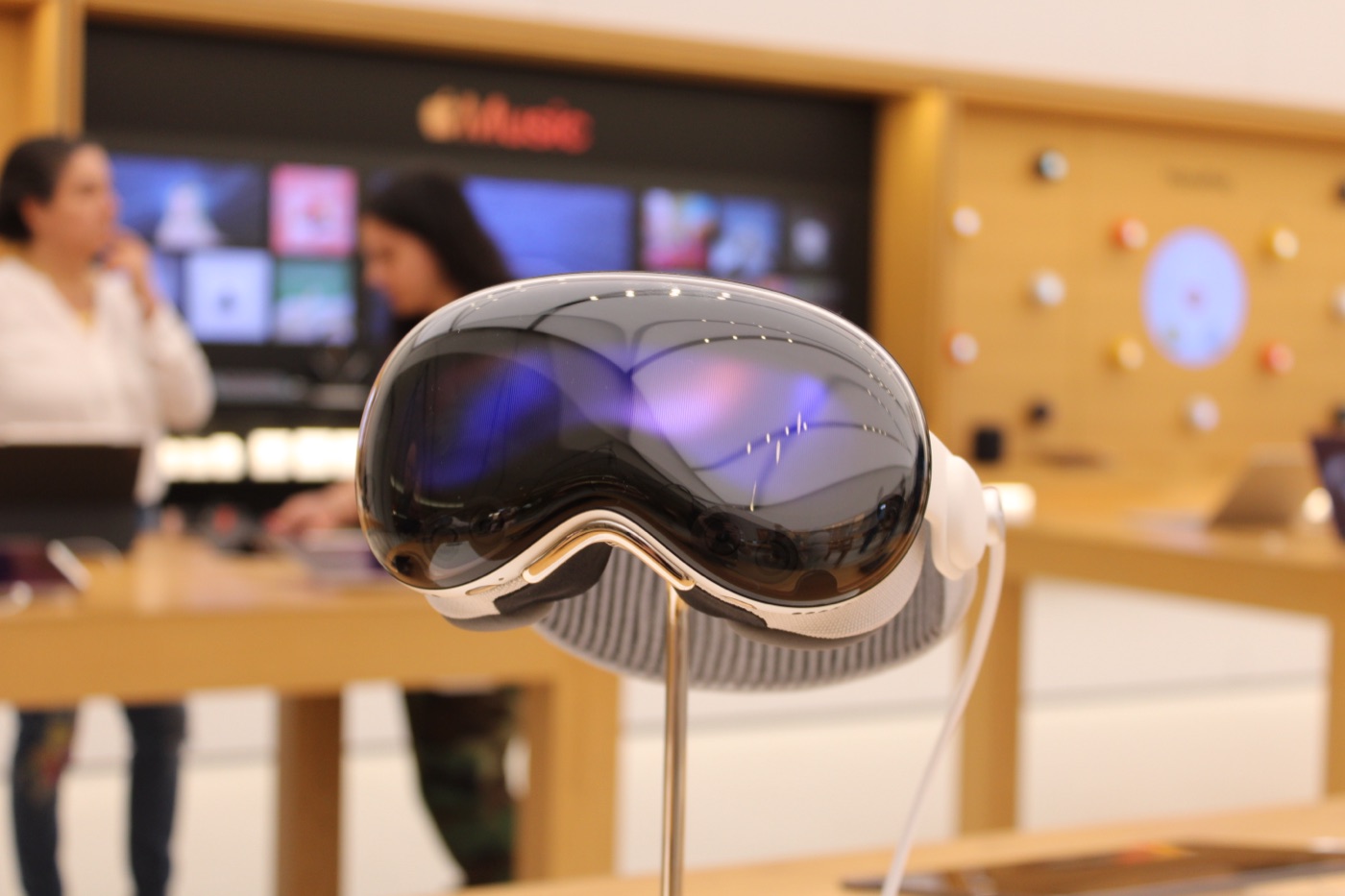
Apple Vision Pro - announced June 2023, shipped February 2, 2024. 3,499 dollars. The first all-new product platform launch since the Apple Watch. Photo: Wikimedia Commons, CC BY-SA.
Announced at WWDC 2023 and shipped February 2, 2024 at 3,499 dollars, Apple Vision Pro was Cook's biggest product bet - a mixed-reality headset designed to define the spatial computing category. Technologically it was extraordinary: dual 4K micro-OLED displays, dozens of sensors, a custom Apple Silicon chip (M2 + R1), and visionOS, an entirely new operating system.
Commercially, Vision Pro has had a slow start. The price puts it out of reach for mass-market adoption. The library of native spatial apps is still developing. Whether Apple can drive Vision Pro to iPhone-scale adoption is the open product bet of the second half of the decade.
11. Apple Intelligence (2024-2025)
At WWDC 2024, Apple announced Apple Intelligence: an on-device, privacy-preserving AI platform integrated across iOS, iPadOS, and macOS. The 2024 launch was widely criticized as behind Google's Gemini and OpenAI's frontier models. Apple shipped Apple Intelligence in iOS 18.1 (October 2024) with limited initial features.
The 2025 rebuild and partnerships (rumored to be the centerpiece of WWDC 2026) are the most important product bet of the late Cook / early Ternus era.
12. April 1, 2026 - Apple Turns 50
| Apple at 50 - Snapshot (April 2026) | Value |
| Market cap | Over 4 trillion dollars |
| Annual revenue | ~416 billion (FY2025) |
| Active devices | 2.5+ billion |
| Employees | ~160,000 |
| Retail stores | 500+ in 26 countries |
| App Store developer payouts (cumulative) | 320+ billion |
| Services revenue | 100+ billion annually |
13. April 20, 2026 - Cook Hands the Keys to Ternus
Just 19 days after Apple's 50th anniversary, Tim Cook announced that he would step down as CEO on September 1, 2026 and become Executive Chairman. John Ternus, Senior VP of Hardware Engineering and a 25-year Apple veteran who worked under Steve Jobs, was named the next CEO.
"John Ternus has the mind of an engineer, the soul of an innovator, and the heart to lead with integrity and with honor."
- Tim Cook, April 20, 2026
The shape of the handoff - engineer to operator to engineer - is itself a message. When Jobs handed the company to Cook in 2011, he was handing it to an operator who could scale what Jobs had built. When Cook hands it to Ternus, he is handing it to an engineer who must invent what comes next.
Read the full Cook to Ternus succession analysis.
14. The Series in One Frame
| Era | Years | Defining Bet | Outcome |
| Founding | 1976-1985 | Personal computing | Apple II, Macintosh, IPO |
| Dark Years | 1985-1997 | Survive without Jobs | Failed - 90 days from bankruptcy by 1997 |
| Comeback | 1997-2001 | Think Different, iMac, OS X, Apple Stores, iPod | Apple is reborn |
| iPod / iPhone Era | 2001-2011 | Music, then mobile | iPhone redefines computing |
| Cook Era | 2011-2026 | Scale + services + wearables + silicon | 350 billion to 4+ trillion |
| Ternus Era | 2026-? | AI / spatial / next platform | To be written |
15. The Final Word
From a garage in Los Altos in 1976 to over 4 trillion dollars in 2026. Two CEOs - Steve Jobs and Tim Cook - defined the modern Apple. Now John Ternus inherits it. The Apple at 50 series ends here. Whatever comes next is Part 8.
Series Roadmap
| Part 1 | The Garage That Started It All (1976) |
| Part 2 | The Apple II Boom (1977-1980) |
| Part 3 | The Macintosh Revolution (1984-1985) |
| Part 4 | The Dark Years (1985-1997) |
| Part 5 | The Greatest Comeback (1997-2001) |
| Part 6 | From iPod to iPhone (2001-2007) |
| Part 7 (Final - This Post) | The iPhone Era to Apple at 50 (2007-2026) |
Thank you for reading the full Apple at 50 series. Curated by Jerry Cards.