
 العربية
 Español
 中文
中文 Deutsch
 Français
 Português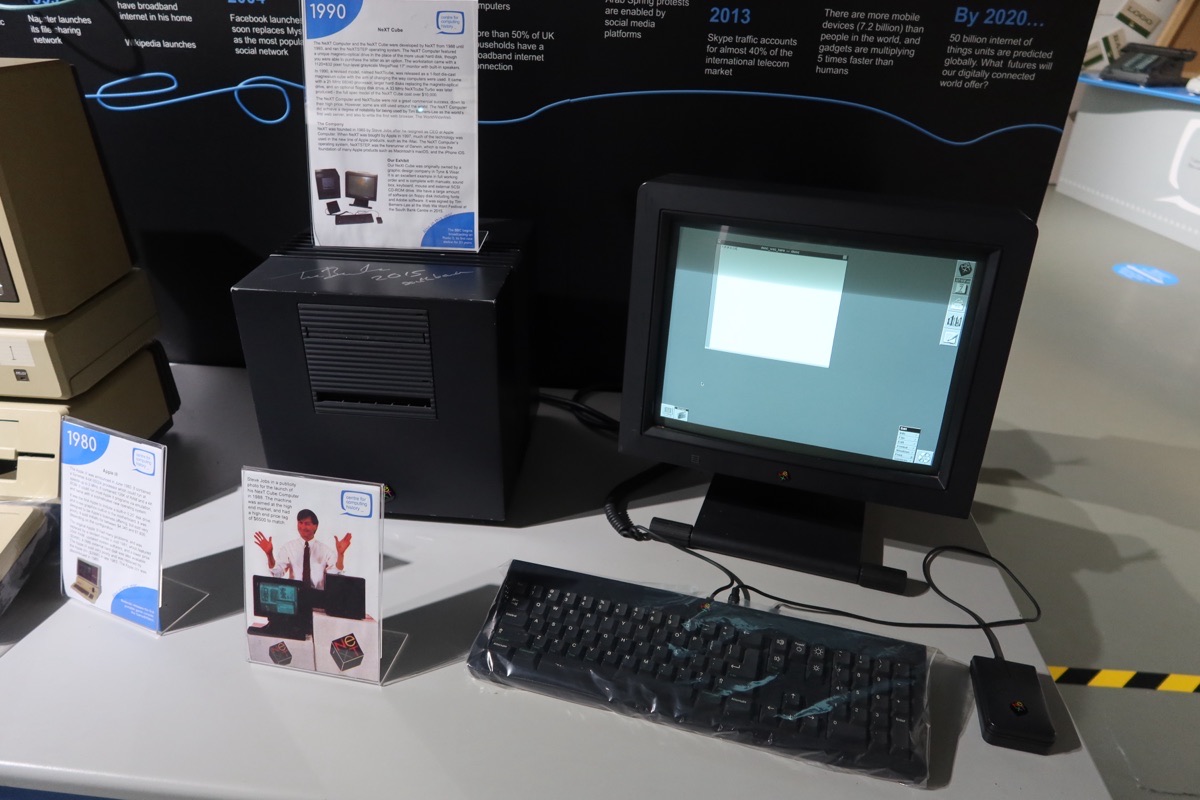
This is Part 4 of a 7-part series: "Apple at 50." Part 1 covered the garage founding. Part 2 chronicled the Apple II boom and the billion-dollar IPO. Part 3 ended with the Macintosh launching, sales collapsing, and a boardroom war brewing between Steve Jobs and CEO John Sculley. Part 4 is what happens when that war ends.
Between May 1985 and July 1997, Apple burned through three CEOs, lost the entire personal computing war to Microsoft, came within 90 days of bankruptcy, and then - in the most improbable corporate resurrection ever recorded - bought the company Steve Jobs had built in exile for 429 million dollars, just to get him back.
This is the Dark Years. And the end of this chapter is the beginning of the greatest comeback in business history.
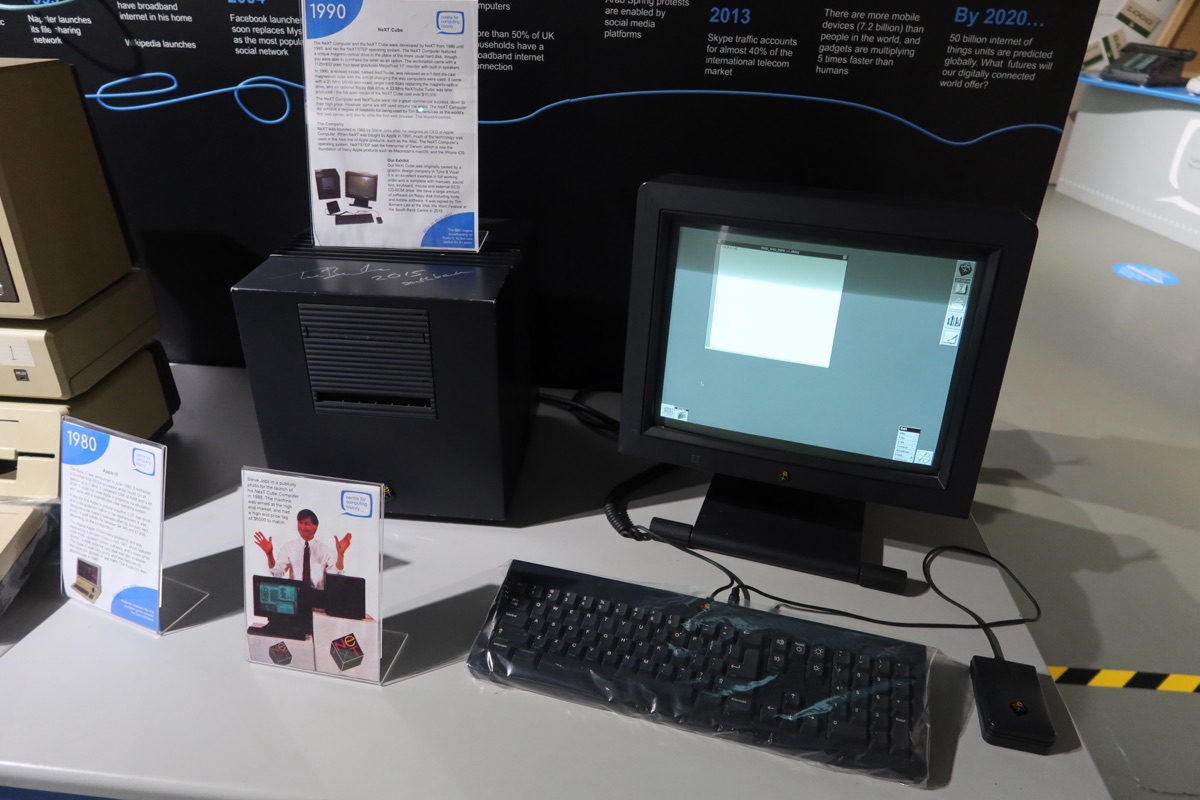
The NeXT Cube - Steve Jobs's black magnesium-cased workstation. Commercially a disappointment; culturally legendary. Tim Berners-Lee wrote the first web browser on one. Photo: Wikimedia Commons, CC BY-SA.
1. May 1985 - The Boardroom Coup
By spring 1985, Jobs and Sculley were openly at war. Mac sales had collapsed after the strong 1984 launch. Jobs blamed Sculley's pricing and marketing. Sculley blamed Jobs's uncontrolled spending and chaotic management of the Macintosh division.
In late May 1985, while Sculley was in China meeting with government officials, Jobs tried to orchestrate a palace coup - convincing the Apple board to remove Sculley as CEO and install Jobs in his place. Someone on the board called Sculley and told him. Sculley cut his trip short, flew home, and called an emergency board meeting.
He presented the directors with a stark choice: him or Jobs. He had run the numbers. He had the operational plan. He was the CEO they had hired. If the board backed Jobs, he would resign immediately.
The vote was unanimous. The board backed Sculley. Jobs was stripped of all operating responsibilities. He was given an empty office in a remote part of the Apple campus - an office he called "Siberia." For weeks, he came in, sat alone, and was not asked to contribute to any product or strategy meeting.
2. September 17, 1985 - Jobs Resigns
On September 17, 1985, Jobs submitted his resignation letter to the Apple board. He was 30 years old. He had founded the company in a garage nine years earlier. At the IPO five years before, he had been worth 256 million dollars. He had been on the cover of Time. He had stood on the Flint Center stage and pulled the Macintosh out of a bag to a standing ovation.
Now he was out. In the weeks after his resignation, he sold all but one share of Apple stock - the single share he kept so he could continue receiving shareholder reports.
3. Sculley: The Man Who Fired Steve Jobs
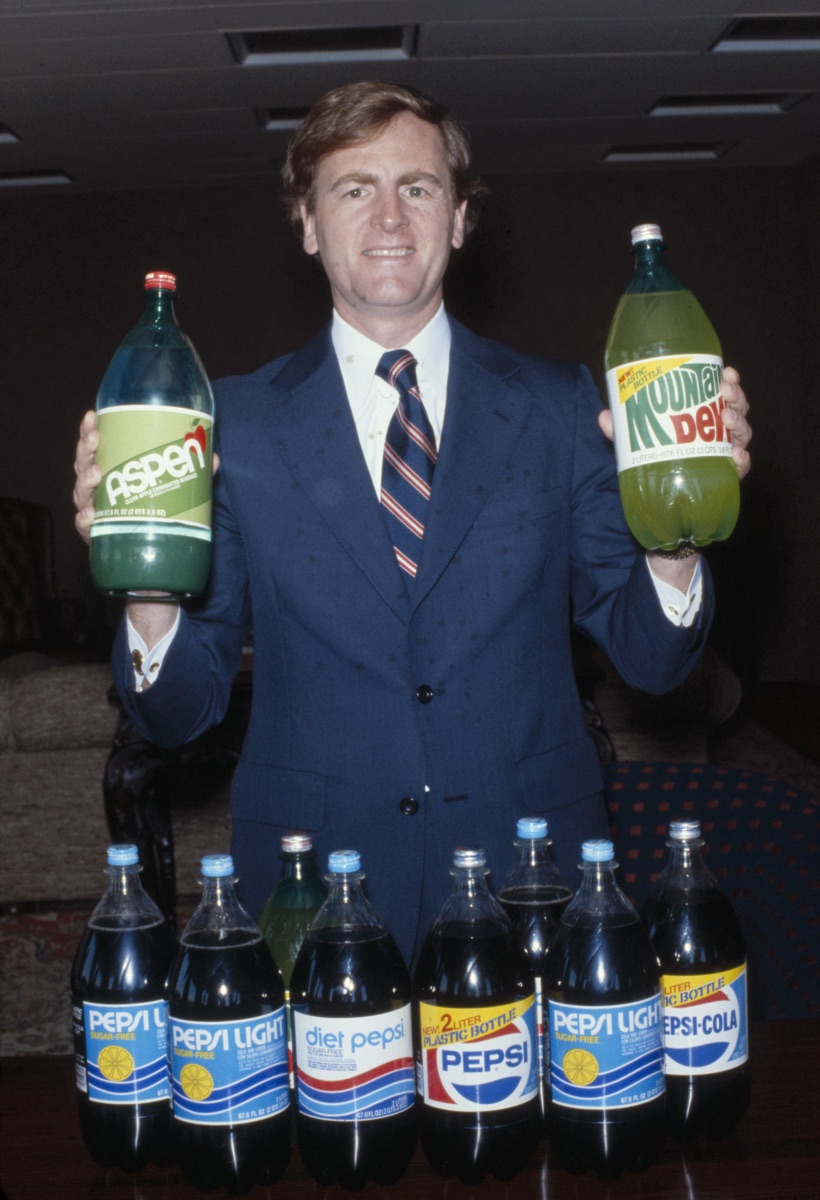
John Sculley as President of PepsiCo, early 1980s. When Jobs recruited him, he was one of the most respected consumer marketers in America. Photo: Wikimedia Commons, Public Domain.
It is easy, with hindsight, to cast Sculley as the villain. That is unfair. He was a genuinely talented consumer-brand marketer who had transformed Pepsi. He was recruited by Jobs himself with the famous line: "Do you want to sell sugared water for the rest of your life, or do you want to come with me and change the world?"
But Sculley was fundamentally a consumer-goods operator, not a technology visionary. Under his tenure, Apple shipped real products. But it missed every strategic inflection point that mattered.
| Year | Product | Result |
| 1985 | LaserWriter + PageMaker + Macintosh = desktop publishing | Killer app - saved Mac |
| 1987 | Macintosh II (first color Mac) | Success |
| 1989 | Macintosh Portable | Too heavy (16 lbs), commercial flop |
| 1991 | PowerBook 100 | Defined the modern laptop |
| 1991 | System 7 | Major OS leap |
| 1993 | Newton MessagePad | Handwriting recognition disaster |
| 1985 onward | Decline to license MacOS to other hardware makers | Ceded the platform to Microsoft Windows |
4. The Microsoft Problem
The most important decision of the Sculley era was the one he didn't make: he refused to license MacOS to other hardware manufacturers. So when Microsoft released Windows 1.0 (1985), Windows 2.0 (1987), and most decisively Windows 3.0 (1990), the entire IBM PC clone ecosystem acquired a graphical user interface. The clones were cheaper, faster to iterate, and available from dozens of manufacturers.
Apple sued Microsoft for copyright infringement in 1988, claiming Windows copied the Mac's "look and feel." The case dragged through the courts for six years. In 1994, the US Supreme Court declined to hear Apple's appeal. Apple lost.
5. The PowerBook 100 - A Bright Spot
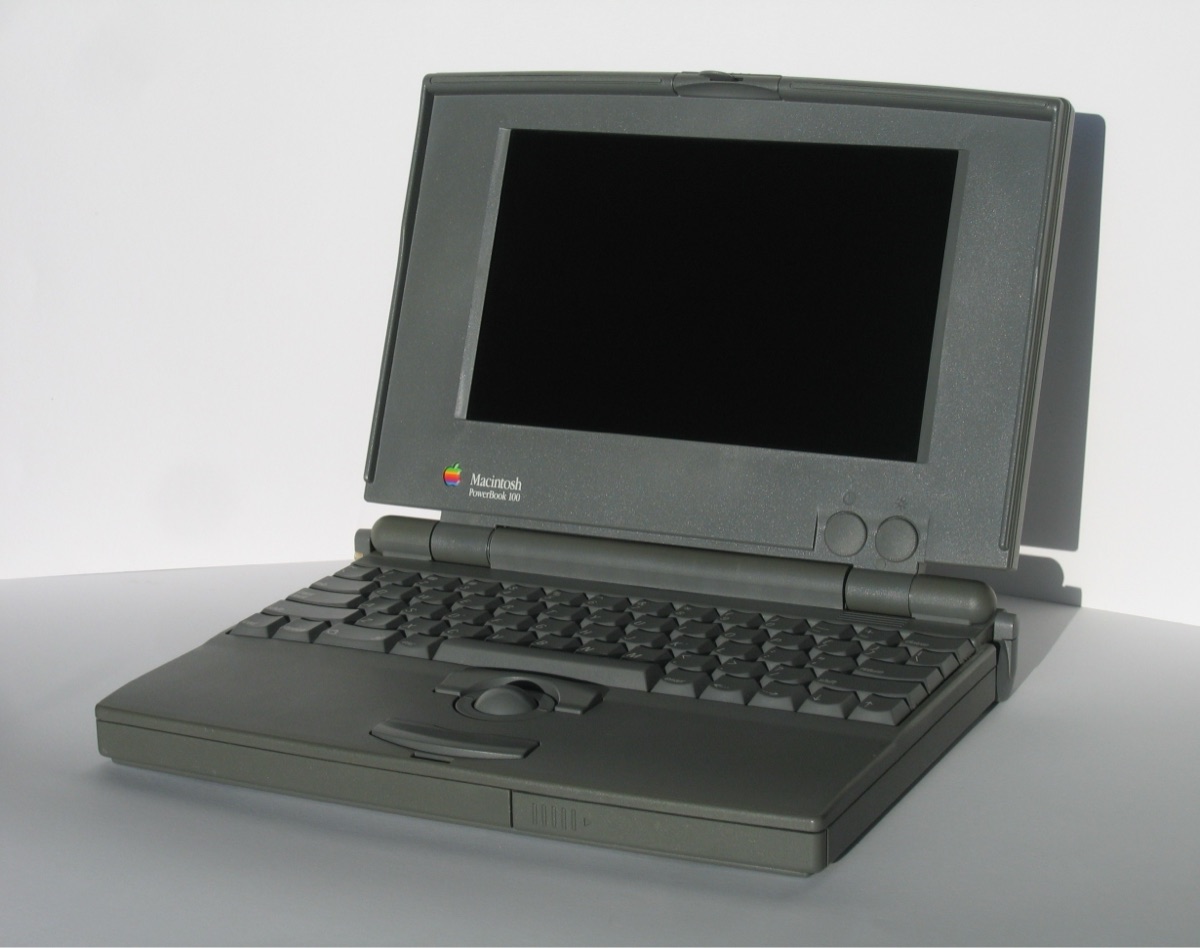
The PowerBook 100 (1991). Palm rest in front, keyboard pushed back, trackball in the center. This is the layout you are still using today. Photo: Wikimedia Commons, CC BY-SA.
Not everything in the Sculley era was a disaster. The PowerBook 100 launched in October 1991 and immediately became one of the best-selling portable computers in history. It introduced the ergonomic layout that every laptop still uses - the keyboard pushed back toward the screen, palm rest in front, pointing device in the middle. Before the PowerBook, portable computers had keyboards at the front edge. After it, they did not.
In its first year, the PowerBook line generated over one billion dollars in revenue. It was the bright spot in an otherwise grim stretch for Apple.
6. The Newton - The Famous Flop
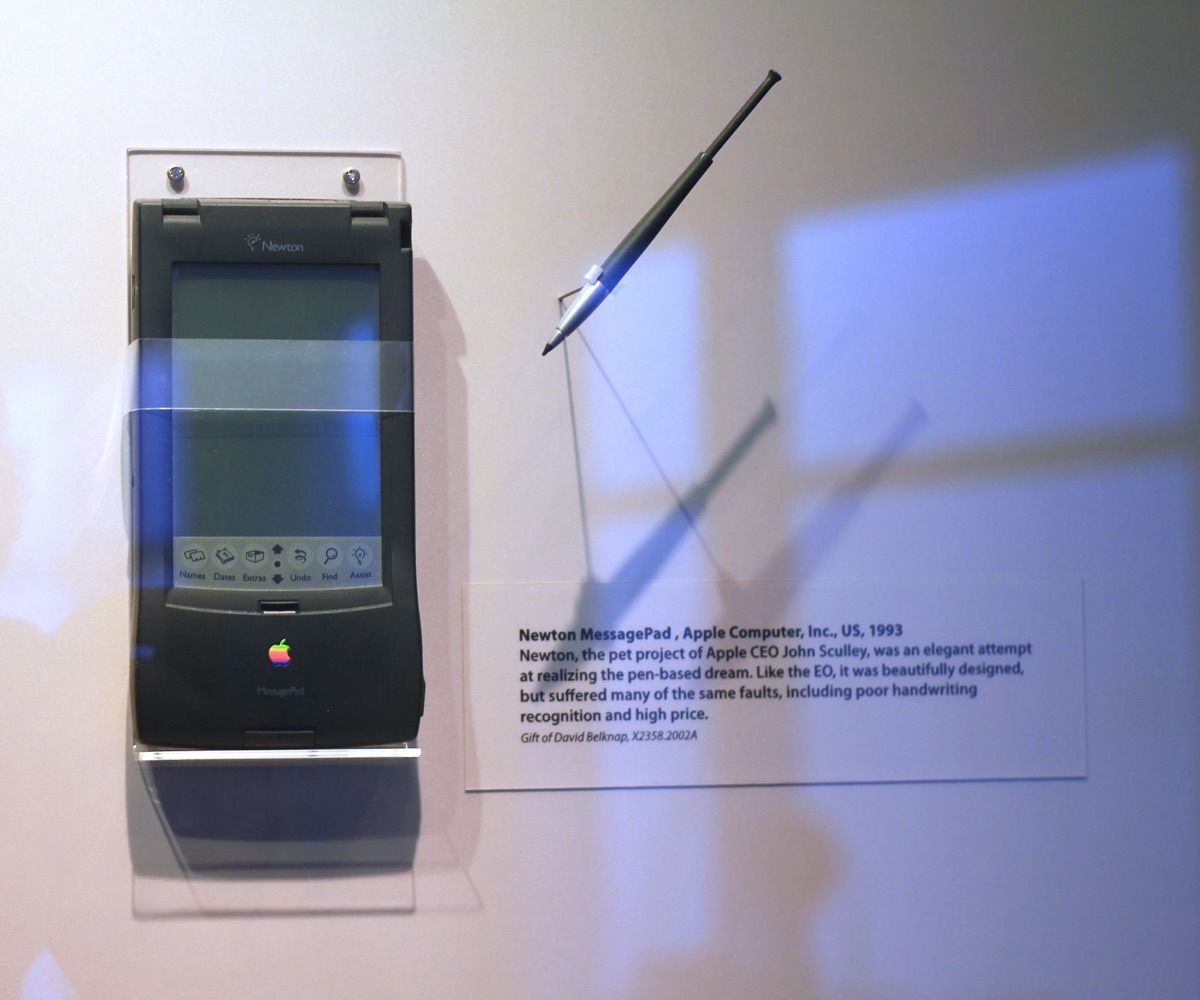
Apple Newton MessagePad (1993). The Doonesbury comic strip ran a week of strips mocking the handwriting recognition. "Egg Freckles" became shorthand for the product's failures. Photo: Wikimedia Commons, CC BY-SA.
The Newton MessagePad was Sculley's personal bet - he coined the term "Personal Digital Assistant" and positioned Newton as a category-defining product. It shipped in August 1993 at 699 dollars.
The handwriting recognition was not ready. Users wrote "Catching on?" and the Newton interpreted "Egg Freckles." The Doonesbury comic strip ran a full week of strips mocking it. The Simpsons ran a gag about it. The product became a cultural punchline for over-promised technology.
Historical irony: The Newton's core product vision - a pocketable computer with touch input that syncs your contacts, calendar, and documents - would eventually be vindicated. By the iPhone (2007) and the iPad (2010). Ironically, it was Steve Jobs who killed the Newton in one of his first acts on returning to Apple in 1998. The original Newton team resented it forever.
7. Meanwhile, Jobs Was Building Two Companies
7.1 NeXT (1985-1996)
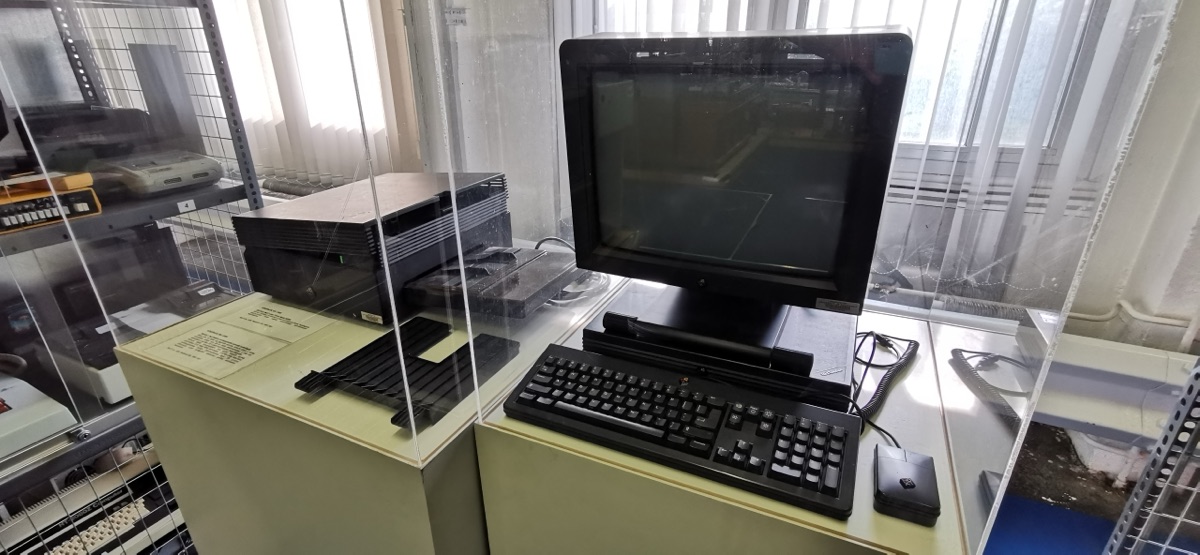
A complete NeXT workstation setup. The NeXT Cube had a magnesium case, a 256 MB magneto-optical drive, a Motorola 68030 processor, and a completely object-oriented operating system called NeXTSTEP. Photo: Wikimedia Commons, CC BY-SA.
Jobs took five Apple engineers with him and founded NeXT Computer Inc. in 1985. The target was higher education - a workstation for university researchers and advanced students. The NeXT Cube shipped in 1988. It was technically gorgeous: a black cube, magnesium case, an object-oriented OS (NeXTSTEP), a built-in Ethernet port, a Motorola 68030 processor.
At 6,500 dollars, it was too expensive for the market it targeted. NeXT never sold in volume. By 1993, NeXT exited the hardware business entirely and became a software company - selling NeXTSTEP (later OPENSTEP) to enterprise developers.
Commercially, NeXT was a disappointment. Culturally, it was extraordinary. Tim Berners-Lee wrote the first web browser (WorldWideWeb) on a NeXT Cube at CERN in 1990. The game Doom was developed on NeXT hardware. And NeXTSTEP would eventually become the foundation of Mac OS X and every version of macOS, iOS, watchOS, and visionOS that followed.
7.2 Pixar (1986-1995)
In early 1986, Jobs paid 5 million dollars for a small computer graphics division at Lucasfilm. He put in another 5 million for working capital. He renamed the company Pixar.
For nine years, Pixar bled cash. Jobs personally injected tens of millions to keep it alive. The company made some commercials. It made some software (RenderMan, which won an Academy Award for its role in films including Terminator 2). But it was not a business.
Then on November 22, 1995, Pixar released Toy Story.
| Metric | Value |
| US box office opening weekend | 29.1 million dollars |
| Total worldwide gross | 373 million dollars |
| Pixar IPO | November 29, 1995 (7 days after Toy Story) |
| IPO valuation | 1.46 billion dollars |
| Jobs's Pixar holdings | 80 percent - made him a billionaire |
Pixar made Jobs wealthy again for the first time since he had sold his Apple stock in 1985.
8. 1993-1996 - Spindler, Free Fall, and the Mac Clones
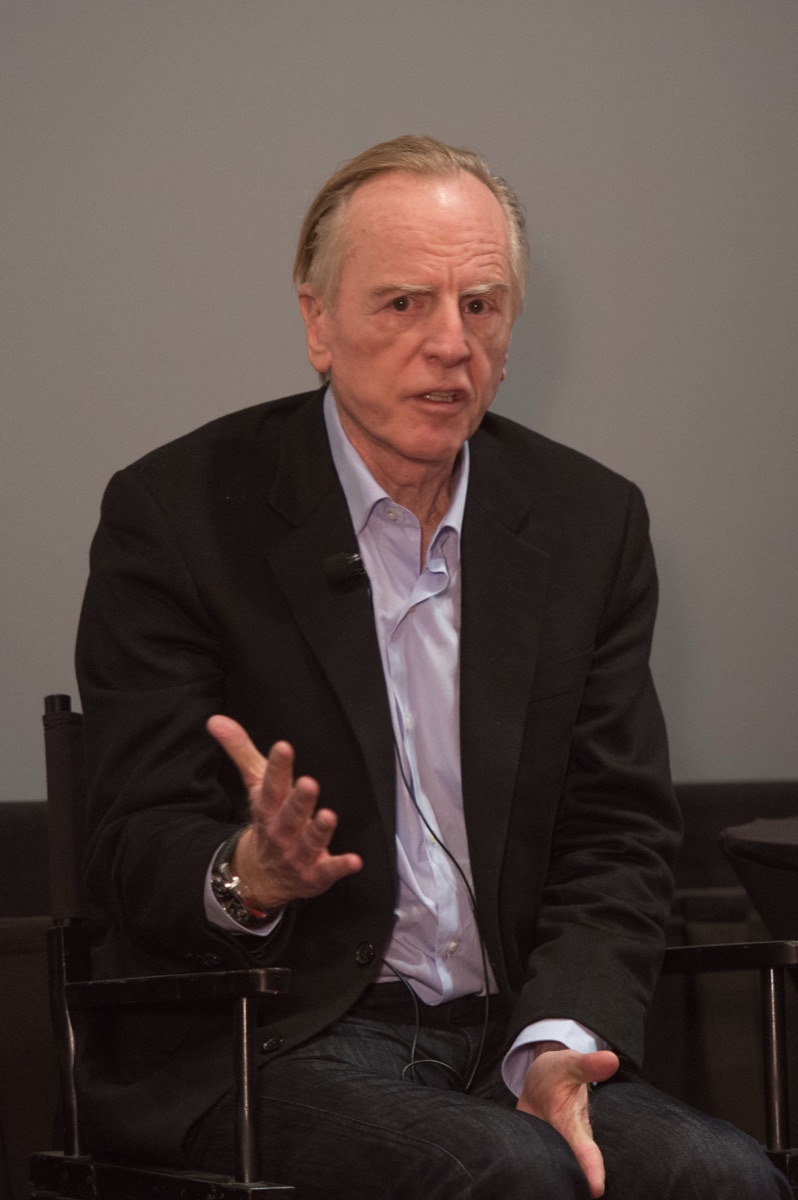
John Sculley, years after his Apple departure. He was fired in June 1993 after a board revolt. Photo: Wikimedia Commons, CC BY-SA.
Sculley was fired in June 1993. His replacement was Michael "Diesel" Spindler, a former Apple Europe executive.
Spindler made one catastrophic strategic decision: in January 1995, Apple began the Mac Clone program. Third-party manufacturers could now license MacOS and build Mac-compatible hardware. The theory was that clones would grow the Mac ecosystem the way clones had grown the PC ecosystem.
The reality: clones from Power Computing, Motorola, and Umax cannibalized Apple's own hardware sales without expanding the overall Mac market. Clone makers could price aggressively because they did not bear Apple's R&D, marketing, or retail costs. Apple's margins collapsed.
Spindler also oversaw the Copland project - a next-generation OS intended to replace classic Mac OS. Copland was plagued by feature creep, management turmoil, and architectural problems. After three years and several hundred million dollars, it was officially killed in August 1996. Apple had no modern OS strategy.
Spindler was out by February 1996.
9. 1996-1997 - Amelio and Near Bankruptcy
The board turned to Gil Amelio, a member of Apple's own board who had previously engineered a turnaround at National Semiconductor.
Amelio inherited a company in crisis. Apple had lost over one billion dollars in its most recent fiscal year. Market share was in free fall. Cash reserves were so low that multiple analysts publicly predicted Apple would be bankrupt or acquired within 12 months.
Amelio did what a turnaround CEO does: he cut costs. He laid off about one-third of the workforce. He killed dozens of projects. He accelerated the quest for a new operating system.
10. December 20, 1996 - Apple Buys NeXT
Amelio's team evaluated two options for a replacement OS: BeOS (founded by former Apple executive Jean-Louis Gassee) and NeXTSTEP (Jobs's operating system).
Gassee demanded a high price for Be - around 275 million dollars. Amelio walked.
NeXT, by contrast, was much further along as a technical foundation. Jobs personally lobbied Amelio's team hard. The final deal was announced on December 20, 1996:
Apple to Acquire NeXT Software, Inc.
Price: 429 million dollars in cash, plus 1.5 million shares of Apple stock. Jobs personally received 1.5 million Apple shares and a small consulting role at Apple.
"As part of the agreement, Steve Jobs will return to Apple."
In retrospect, the deal is widely understood for what it really was. Apple did not pay 429 million for NeXTSTEP. Apple paid 429 million for Steve Jobs. NeXT was the wrapper around the man.
11. July 1997 - The Return
Jobs came back in January 1997 as an "advisor to the chairman." Within six months, he had positioned himself at the center of every major decision at Apple.
On July 9, 1997, the Apple board - having lost confidence in Amelio's ability to stop the bleeding - forced Amelio out. On September 16, 1997, Jobs was formally named interim CEO. The press and Apple staff began calling him "iCEO."
In his first 90 days back, Jobs made a series of decisions that saved Apple:
- Killed the Mac Clone program by buying out Power Computing's Mac business for 100 million dollars
- Cancelled Copland completely and committed to NeXTSTEP as the basis of the next OS
- Killed the Newton
- Killed the printer business
- Collapsed the Apple product line from dozens of SKUs down to four (desktop consumer, desktop pro, laptop consumer, laptop pro)
- Negotiated a 150 million dollar investment from Microsoft in exchange for a 5-year commitment to ship Office for Mac
- Approved the "Think Different" advertising campaign
12. August 6, 1997 - The Microsoft Deal
At Macworld Boston on August 6, 1997, Jobs unveiled the Microsoft deal via live satellite feed with Bill Gates. The audience booed. The symbolism of Apple taking Microsoft money was a humiliation to many Mac loyalists.
Jobs defended it directly: "We have to let go of the notion that for Apple to win, Microsoft has to lose. We have to embrace the notion that for Apple to win, Apple has to do a really good job. And if others are going to help us, that's great."
The deal saved Apple. Microsoft's investment provided immediate balance-sheet strength. The 5-year Office for Mac commitment kept Macs viable as productivity machines. The booing stopped once people did the math.
13. The Shape of the Comeback
By the end of 1997, the fundamentals were in place for what would become, arguably, the greatest corporate comeback in history:
- Steve Jobs was back - with 12 years of ideas and a ruthless product focus sharpened by NeXT and Pixar
- NeXTSTEP would become Mac OS X (launched 2001), and eventually iOS, watchOS, and visionOS
- The product line was ruthlessly simplified
- The Think Different campaign was ready to launch (September 28, 1997) - it would reposition Apple culturally overnight
- The Microsoft deal bought 18 months of breathing room
- The iMac - conceived by Jonathan Ive under Jobs's direction - was already in development and would launch in August 1998
What happens next is Part 5.
Series Roadmap
| Part 1 | The Garage That Started It All (1976) |
| Part 2 | The Apple II Boom (1977-1980) |
| Part 3 | The Macintosh Revolution (1984-1985) |
| Part 4 (This Post) | The Dark Years (1985-1997) |
| Part 5 | The Greatest Comeback (1997-2001) |
| Part 6 | From iPod to iPhone (2001-2007) |
| Part 7 | The iPhone Era to Apple at 50 (2007-2026) |