News & Insights
Tech, AI, science & Apple news curated by Jerry Cards. Unlocking US digital content worldwide since 2009.
Jul 15, 2026, 12:17 AM ETScience

NASA's Perseverance rover has run a marathon on Mars. On June 14, 2026 - the 1,890th Martian day, or sol, of its mission - the SUV-sized rover rolled past 26.2 miles (42.195 kilometers) of total driving across Jezero Crater, the exact distance of a marathon. It covered that ground in five years and four months; NASA's earlier Opportunity rover needed 11 years and two months to travel the same distance. NASA marked the milestone with a striking view from above: one day before the rover crossed the line, the HiRISE camera on the Mars Reconnaissance Orbiter photographed Perseverance from orbit as a tiny bright speck on the rust-colored terrain it has spent half a decade crossing. Along the way the rover has sealed dozens of rock and soil samples for a future return to Earth, helped fly the record-setting Ingenuity helicopter, made the first oxygen ever produced on another planet, and recorded the first sounds of Mars. Here is the milestone - and everything Perseverance has achieved since 2021.
Read more →
Jul 14, 2026, 1:16 PM ETHealth
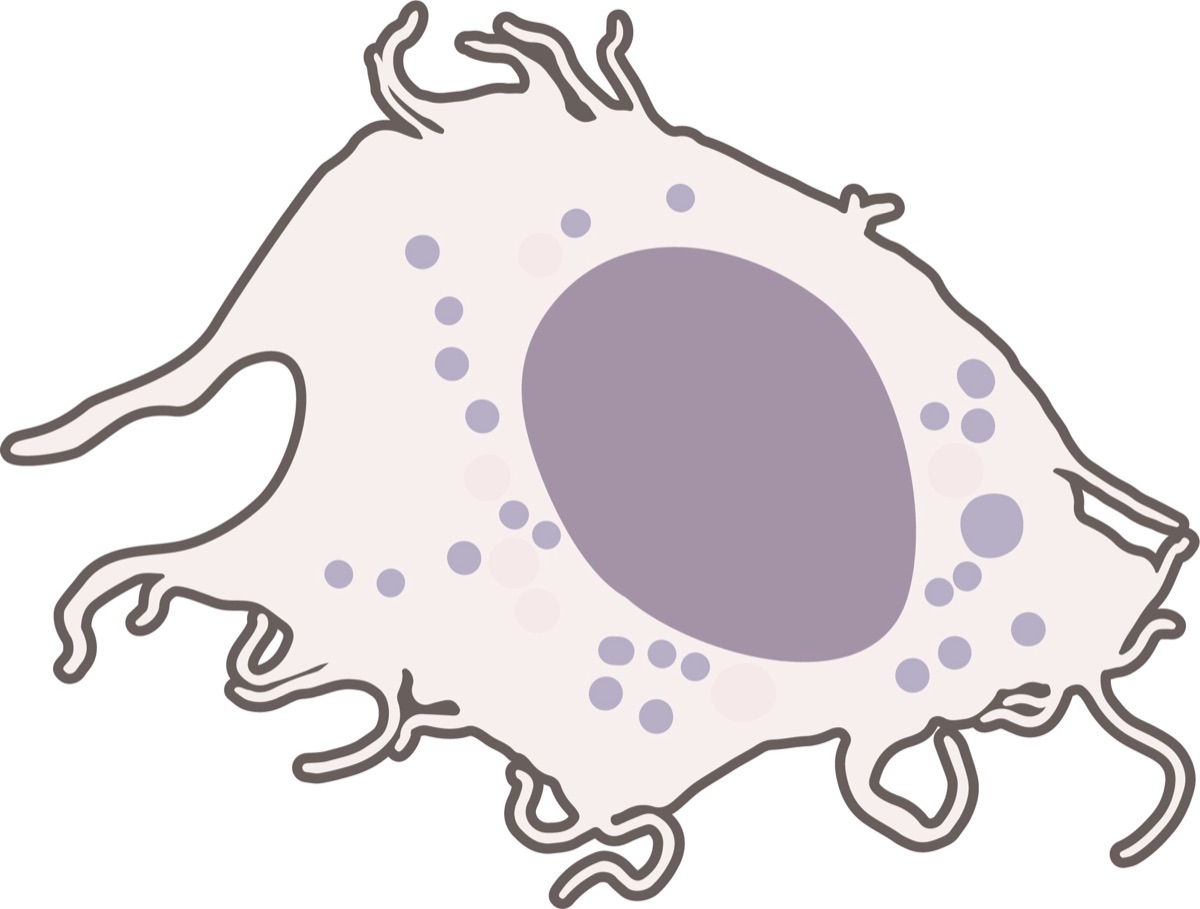
After a knee or ankle injury, the immune system's cleanup crew can get stuck in attack mode - and that lingering inflammation is what slowly wears cartilage down into post-traumatic osteoarthritis, roughly one in eight osteoarthritis cases. A University of Alabama in Huntsville team, publishing in Nature's Scientific Reports, found a gentle, drug-free way to nudge those cells back toward repair: continuous low-intensity ultrasound. Exposing inflammatory 'M1' macrophages to soft, steady sound waves shifted their genetic program away from inflammation and toward a reparative 'M2-like' state that supports healing. To make the test realistic, the researchers modeled a truly injured joint using fibronectin fragments - the debris real cartilage sheds as it breaks down - and read out the cells' gene activity with transcriptomics. The honest caveat: this is a laboratory, cell-level study, with animal trials the next step. But it points toward a future where a simple ultrasound wand might help an injured joint heal itself instead of sliding into arthritis.
Read more →
Jul 14, 2026, 9:20 AM ETScience
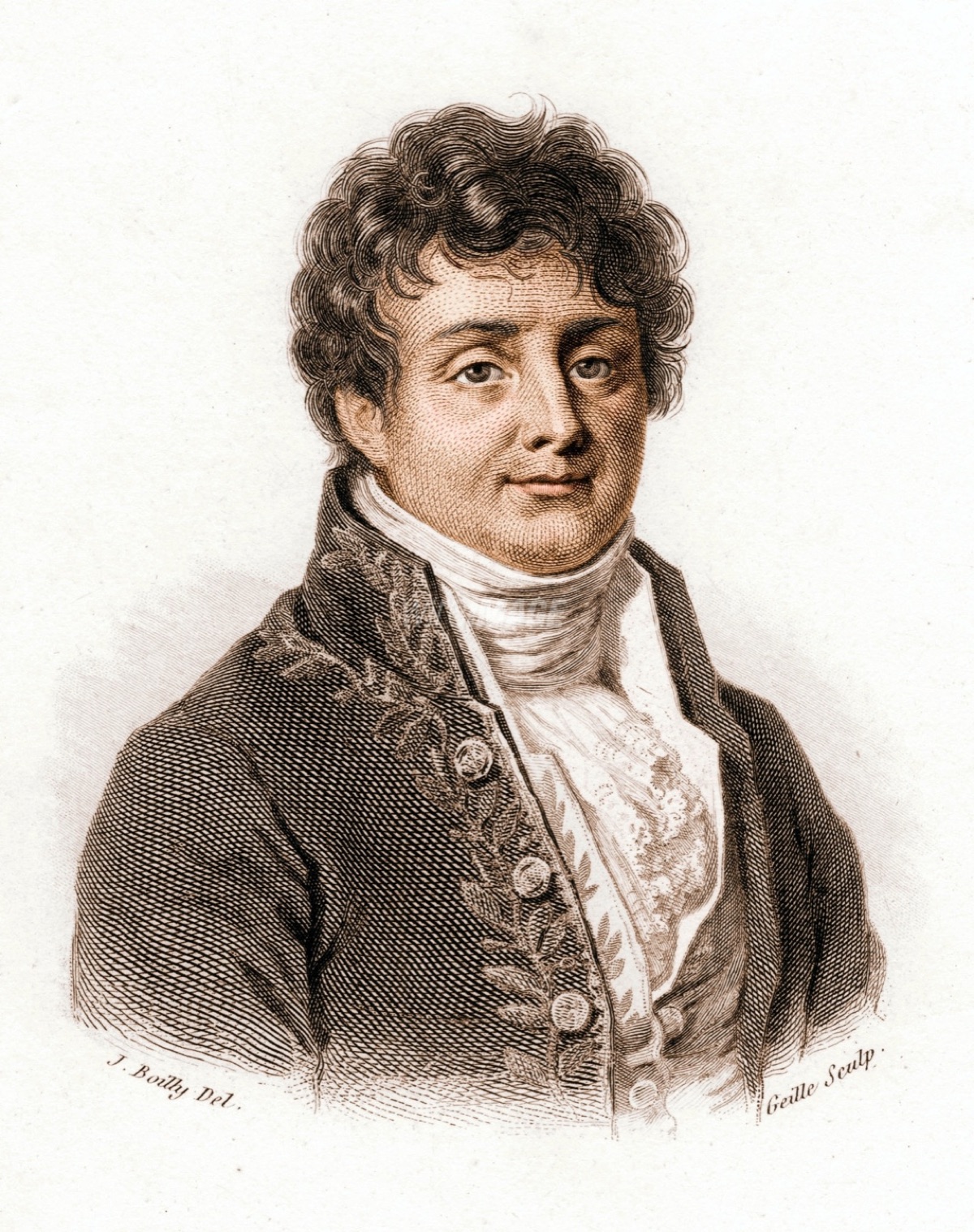
In 1822 the French mathematician Joseph Fourier published a book about how heat flows through a solid body - Theorie analytique de la chaleur, The Analytical Theory of Heat. Buried in its solution was one of the most quietly powerful ideas in the history of science: that almost any signal, however jagged and complicated, can be broken down into a sum of simple, smooth waves - sines and cosines of different frequencies. The claim was so bold that Lagrange, the greatest mathematician of the age, blocked its publication in 1807; Fourier won the Academy's prize in 1811 anyway, was faulted for a lack of rigour, and waited until 1822 to publish the full theory. He turned out to be right - Dirichlet supplied the proof in 1829. Today that single insight, Fourier analysis, is the mathematical engine of the digital age: it powers MP3 audio, JPEG images, Wi-Fi and 5G, MRI scanners, spectroscopy, noise-cancelling headphones and voice assistants, and it even sits at the heart of quantum mechanics and the X-ray images that revealed the structure of DNA. A tribute to the heat study that taught the world how to listen to any signal.
Read more →
Jul 14, 2026, 5:15 AM ETScience
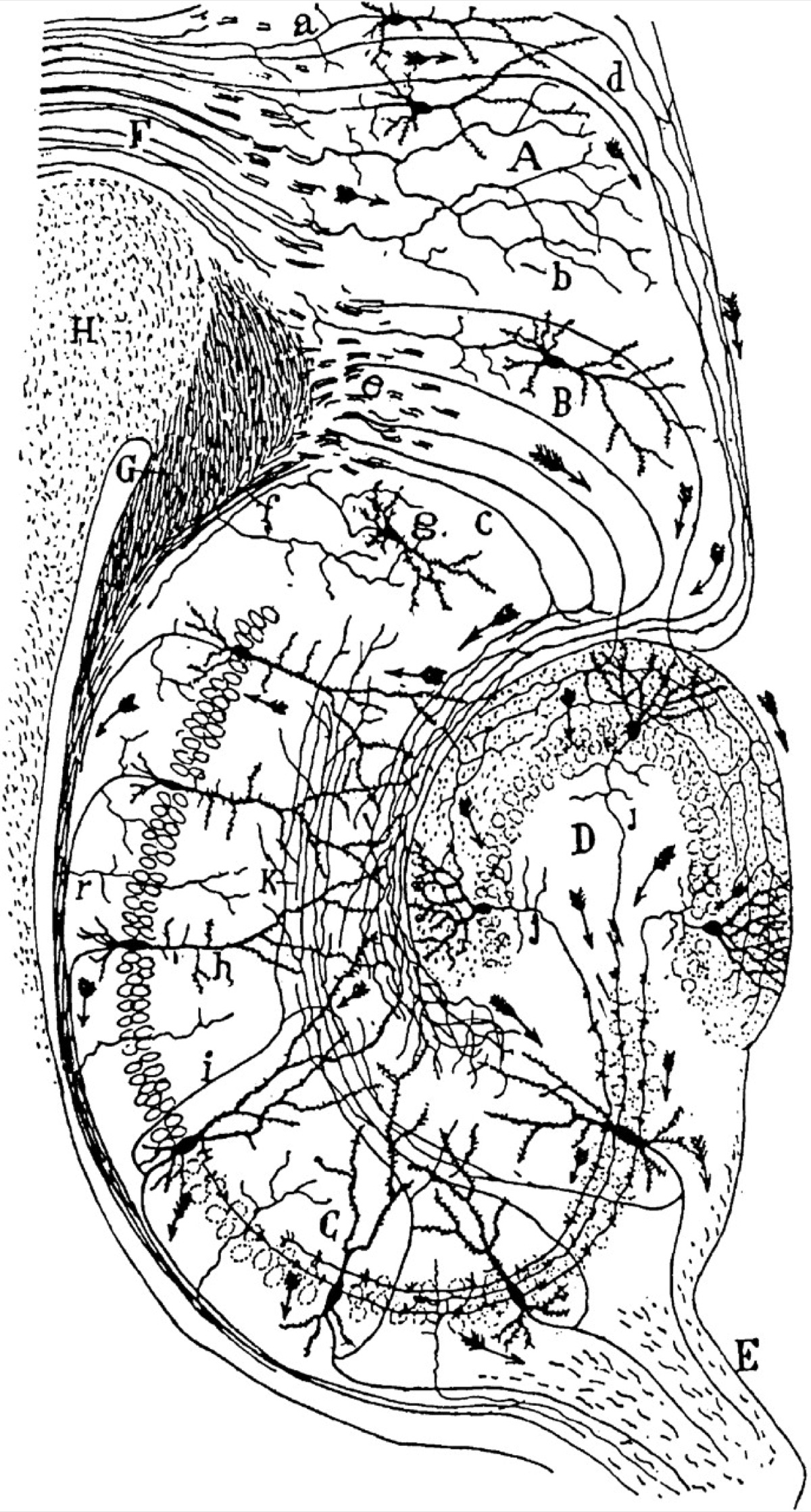
Why do some memories last a lifetime while others vanish by morning? A Flinders University-led team (with Macquarie University and UNSW), publishing in Nature Communications, found a key organizer: tau - the very protein infamous for the tangles of Alzheimer's disease. In its healthy, everyday role, a subtle and tightly controlled chemical tweak to tau (phosphorylation at a single site, T205) acts like a stage manager during learning: it quiets background brain 'noise' and selects exactly which neurons - the sparse 'engram' cells - get to store an experience, converting fleeting moments into durable long-term memories. In mice engineered without tau, animals still learned normally and recalled things minutes later, but their remote (long-term) memories were weaker - and, strikingly, those memories were not erased: they could be switched back on by directly stimulating the exact cells that had stored them. The hopeful twist for medicine: rather than blanket-blocking tau, future Alzheimer's drugs should spare its healthy job and target only the abnormal form. Inside: how memory is physically written, the engram experiments, and what it means for smarter dementia therapies.
Read more →
Jul 14, 2026, 12:17 AM ETScience
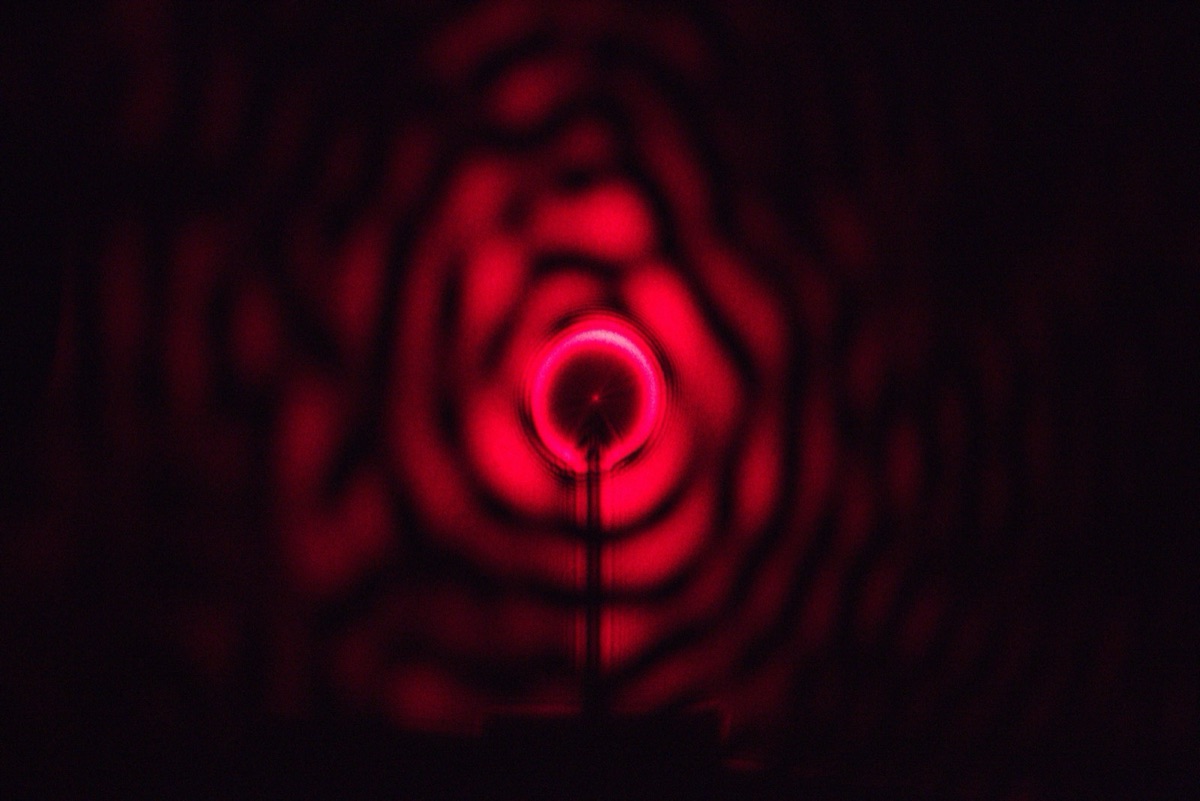
In 1818, the mathematician Siméon Poisson tried to kill the idea that light is a wave. Using a rival’s own equations, he derived what he thought was an absurdity — a bright spot at the very center of a circular object’s shadow — and argued the prediction was too ridiculous to be real. François Arago ran the experiment, and the spot was there. Instead of destroying the wave theory, the ‘Poisson spot’ proved it. Now, more than two centuries later, scientists at Nanyang Technological University (NTU Singapore) have shown that this same humble spot is a remarkably simple, cost-free way to create optical skyrmions — tiny, swirling, topologically stable knots of light that are one of the hottest topics in modern optics. A single Poisson spot, made by just shining a laser at a small disc, was found to contain four different kinds of skyrmion at once — no expensive metamaterials required. Because skyrmions are exceptionally robust carriers of information, the finding points toward future high-density data storage, optical communications and light-based computing. Paper: ‘Optical skyrmions in Poisson spots,’ Optica, June 18, 2026. Inside: the history, what a skyrmion actually is, the four types found, and why researchers are excited.
Read more →
Jul 13, 2026, 1:18 PM ETTech
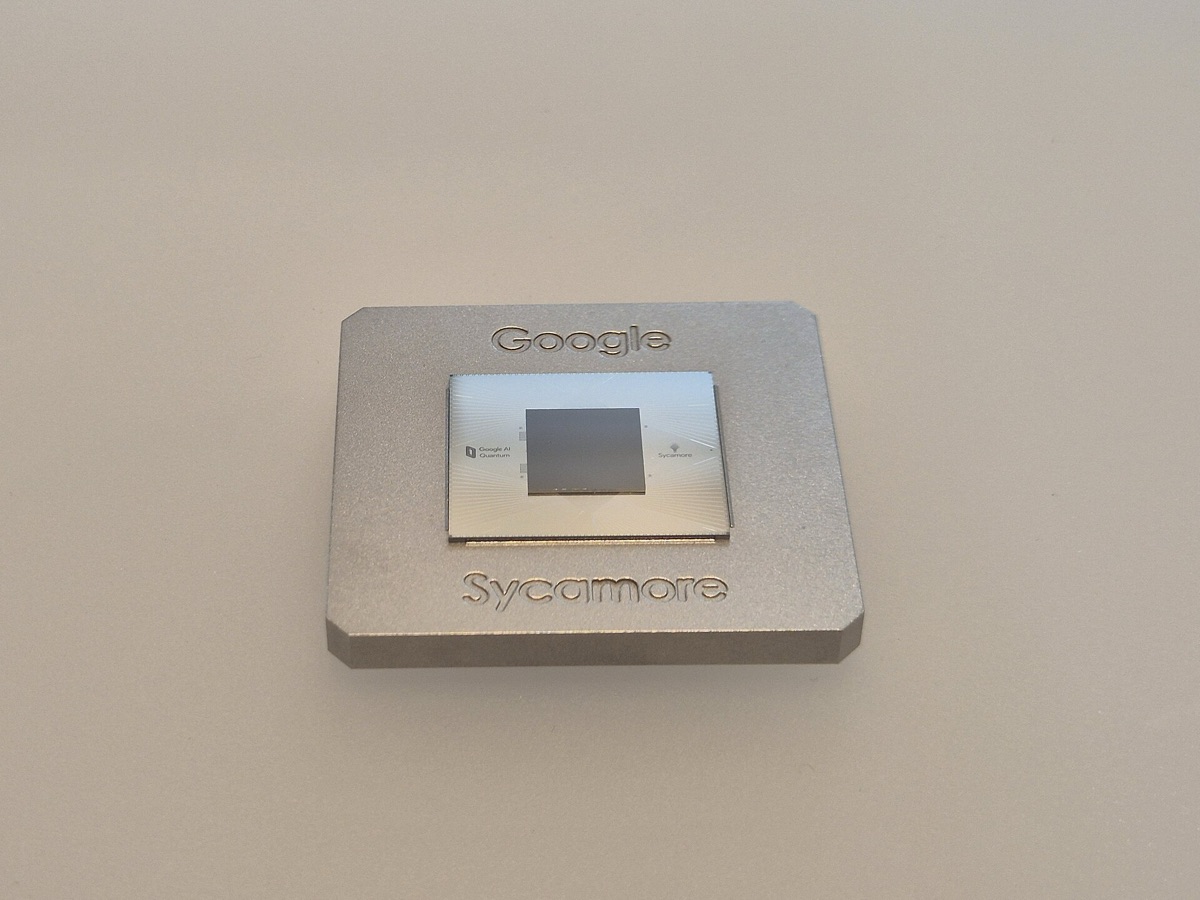
For six years, the knock on quantum computers was that their headline feats were impossible to verify - the famous 2019 'quantum supremacy' result spat out a blizzard of random numbers no one could independently check, and classical computers slowly clawed the gap back. Google's Quantum AI team just answered that critique. Running an algorithm they call Quantum Echoes on their 105-qubit Willow chip, they measured a subtle quantum interference effect about 13,000 times faster than the best known classical method on one of the world's fastest supercomputers - roughly two hours of work that a supercomputer would need years to reproduce. The breakthrough is not just the speed: it is that the result is repeatable and checkable, the first claim of a 'verifiable' quantum advantage. And in a proof-of-principle with UC Berkeley, they turned the same trick into a molecular ruler, using it like a super-powered NMR machine to read the 3-D shape of molecules. Published in Nature, it is one of the clearest signs yet that quantum computers are inching from lab curiosity toward real tools.
Read more →
Jul 13, 2026, 9:19 AM ETTech
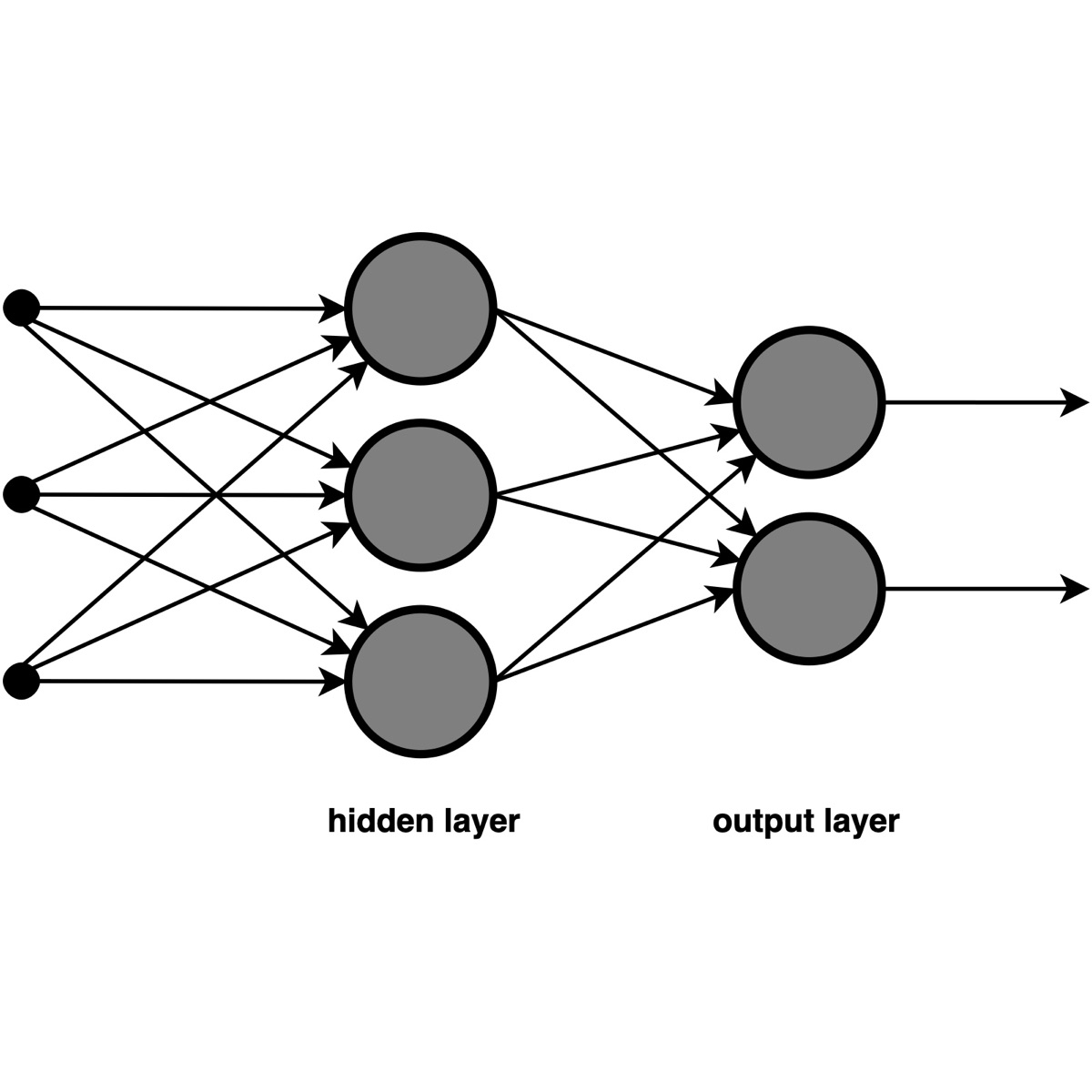
On 9 October 1986, David Rumelhart, Geoffrey Hinton and Ronald Williams published a modestly titled paper in Nature - 'Learning representations by back-propagating errors' - and handed artificial intelligence the tool it had been missing for thirty years. Back-propagation is a simple, elegant recipe for teaching a multi-layer neural network from its own mistakes: run an example forward, measure the error, then send that error backward through the network using the chain rule of calculus to work out how much each internal weight is to blame, and nudge every weight a little to do better next time. It solved the notorious 'credit-assignment problem' that had stalled neural networks since Minsky and Papert's 1969 critique, and it let hidden units discover useful features - learned representations - entirely on their own. The honest history is richer than the myth: the underlying mathematics (reverse-mode automatic differentiation) was found earlier by Linnainmaa (1970) and applied to networks by Werbos (1974), among others - but the 1986 paper is the one that convinced the field it could be done, and set off the deep-learning era. Today the same backward sweep of error trains almost everything: image recognisers, speech systems, AlphaFold, diffusion image generators, and the Transformers behind ChatGPT, Claude and Gemini. The lineage was later honoured with the 2018 Turing Award (Bengio, Hinton, LeCun) and the 2024 Nobel Prize in Physics (Hopfield, Hinton). A tribute to the rule that made machines learn.
Read more →
Jul 13, 2026, 5:18 AM ETScience
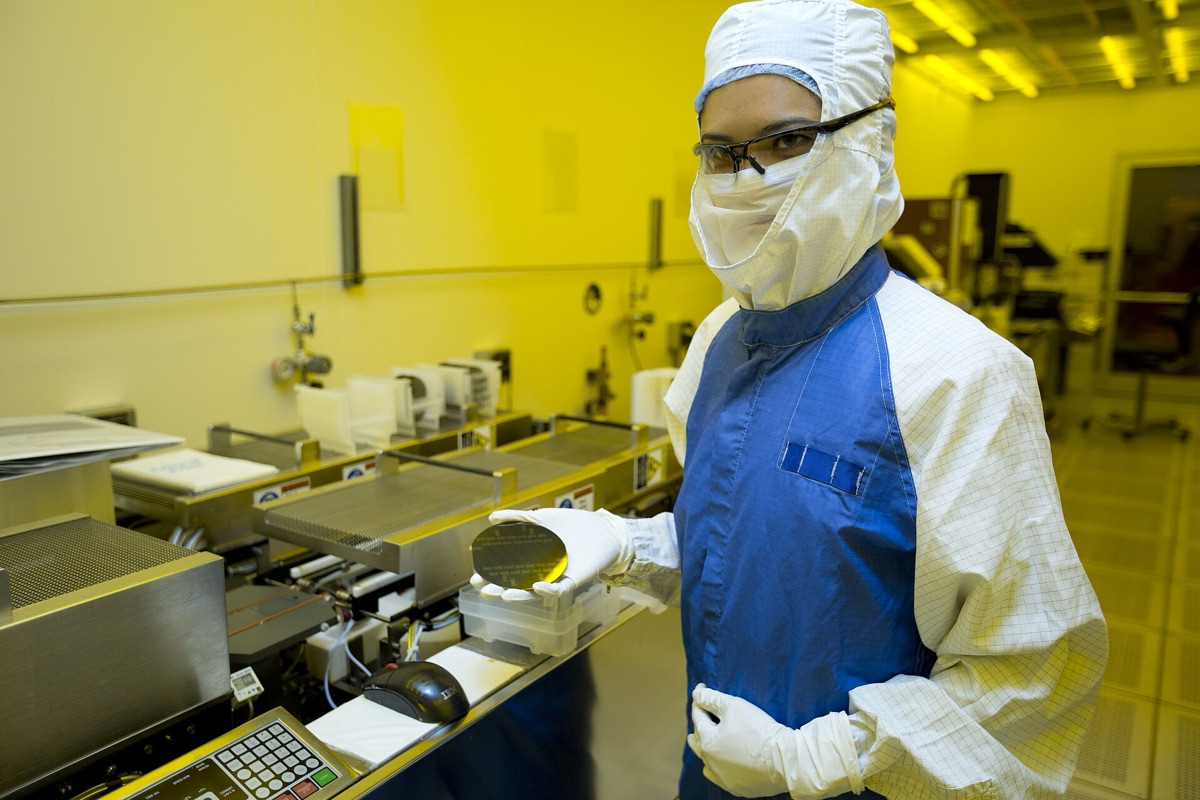
Heat is the quiet enemy of modern electronics, and for the most part we still get rid of it the crude way: heat sinks and fans that let warmth wander off wherever it likes. Now a team at the U.S. Department of Energy's Oak Ridge National Laboratory (ORNL), with The Ohio State University and Amphenol Corporation, has demonstrated something much closer to a switch for heat. By applying an electric field to a special crystal - a relaxor ferroelectric called PMN-PT - they made heat flow nearly three times more efficiently along the direction of the field than across it: a gain close to 300%, and roughly 30 to 60 times larger than any comparable effect ever measured in a bulk solid. Using intense neutron beams, they traced the cause to phonons - the tiny atomic vibrations that carry heat - which the field coaxes into lasting longer and traveling farther in one chosen direction. The upshot is a way to actively steer heat, much as we route electricity, which could help cool the power-hungry chips behind AI and turn more waste heat back into useful electricity. Published in PRX Energy.
Read more →
Jul 13, 2026, 12:17 AM ETScience
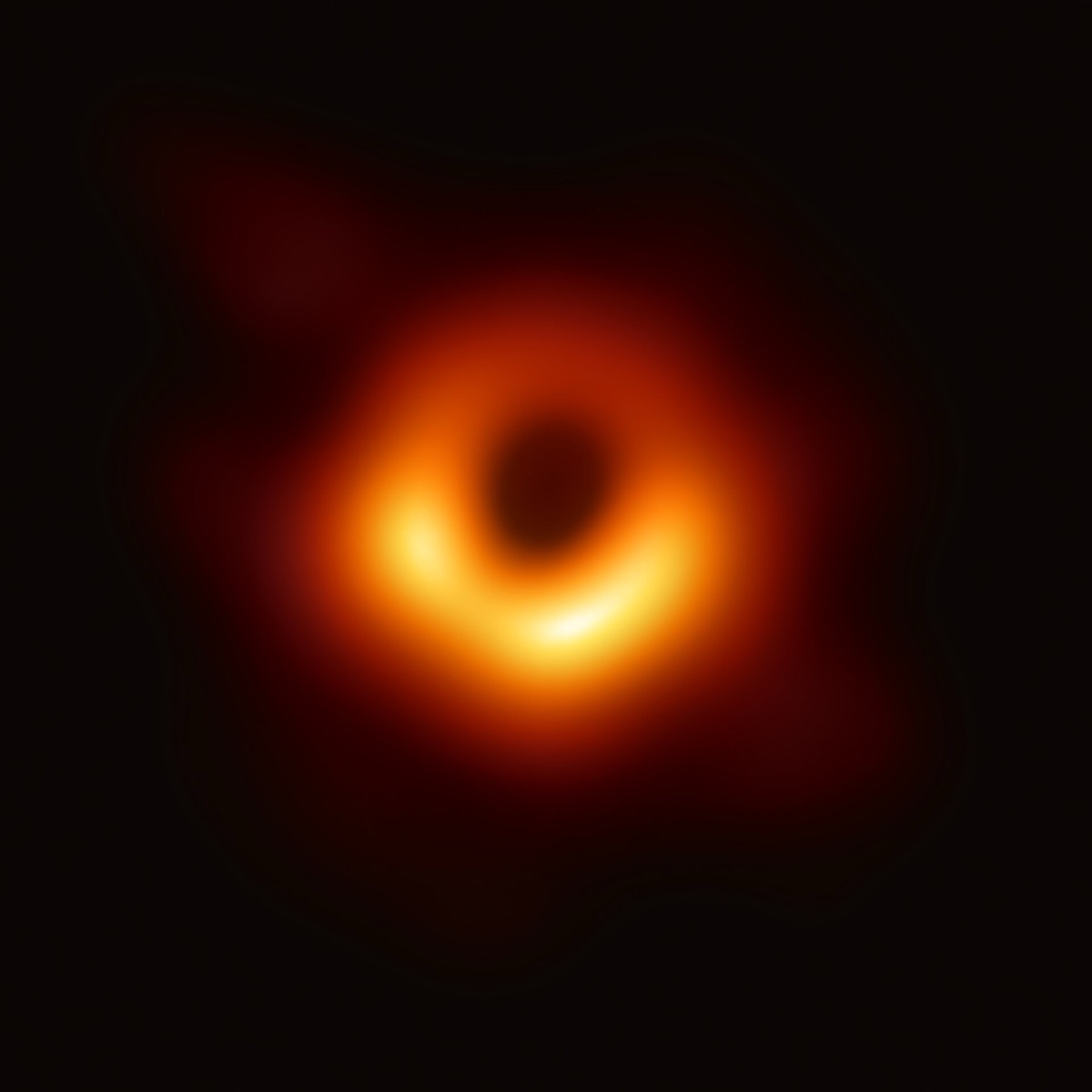
For half a century, pulling energy out of a spinning black hole was a beautiful piece of theory - Roger Penrose imagined it in 1969, and Yakov Zel'dovich predicted that a wave bouncing off a fast-enough rotating object would come back amplified. Now a team at the City University of New York's Advanced Science Research Center (CUNY ASRC) has reproduced the essential physics on a tabletop. Instead of spinning any matter, they built a ring of electronic resonators and modulated them in a precisely timed sequence to create 'synthetic rotation' - a traveling pattern that mimics spinning even faster than light while the device sits perfectly still. Electromagnetic waves carrying the matching twist drew energy out of that synthetic rotation and came out stronger. Published in Nature (DOI 10.1038/s41586-026-10725-y), the work turns one of the cosmos's most exotic ideas into a controllable lab platform - and points toward a new kind of broadband amplifier for wireless, photonics, and quantum technology.
Read more →
Jul 12, 2026, 1:17 PM ETScience
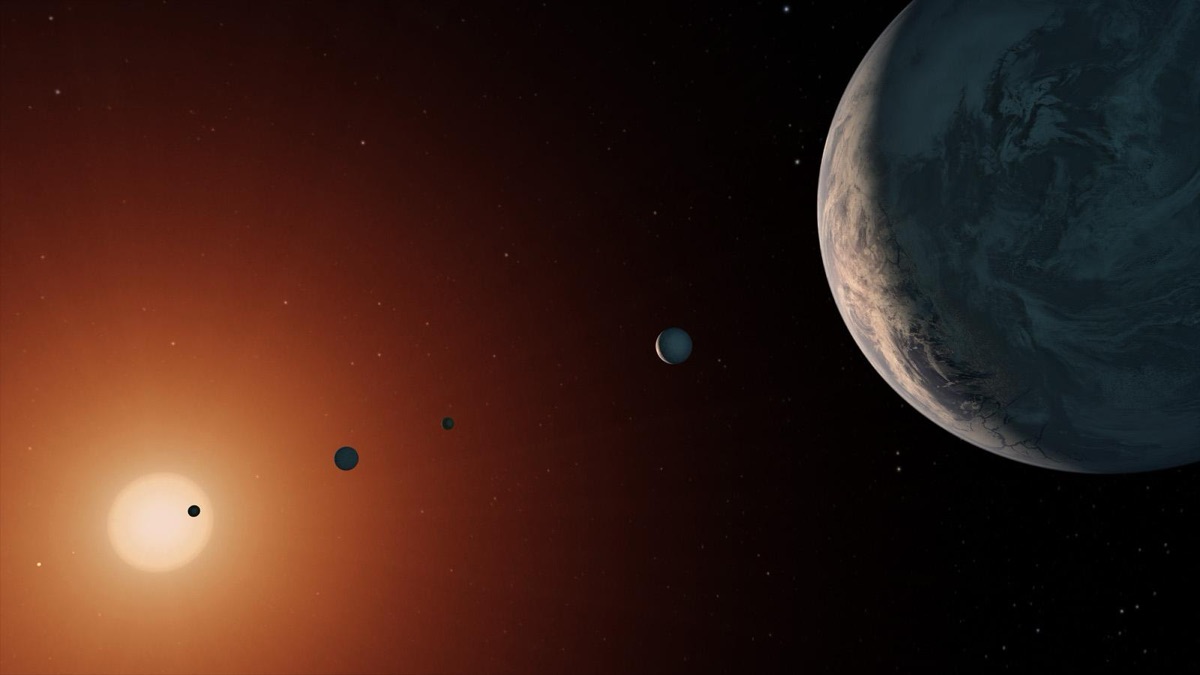
For 65 years, the Dyson sphere - a hypothetical megastructure an advanced civilization might build to harvest a star's entire energy output - has lived mostly in science fiction and thought experiments. A new peer-reviewed study by physicist Amirnezam Amiri of the University of Arkansas, published in the journal Universe, turns it into a concrete search plan. Amiri models where such a structure would appear on the Hertzsprung-Russell diagram - astronomy's master chart of stars - and finds it would slide into an empty zone no natural star occupies: glowing in the infrared at an apparent temperature as low as roughly 50 kelvin, yet still carrying the total light output of the star hidden inside. His verdict on the best places to look is counterintuitive: not bright, Sun-like stars, but the galaxy's dimmest and smallest - red dwarfs and white dwarfs, which need far less material to enclose. The timing is no accident: it lands as three great infrared observatories - JWST, the Vera C. Rubin Observatory, and the Nancy Grace Roman Space Telescope - come online together. No megastructure has been found. This is a map for where to point the telescopes.
Read more →
Jul 12, 2026, 12:17 AM ETScience
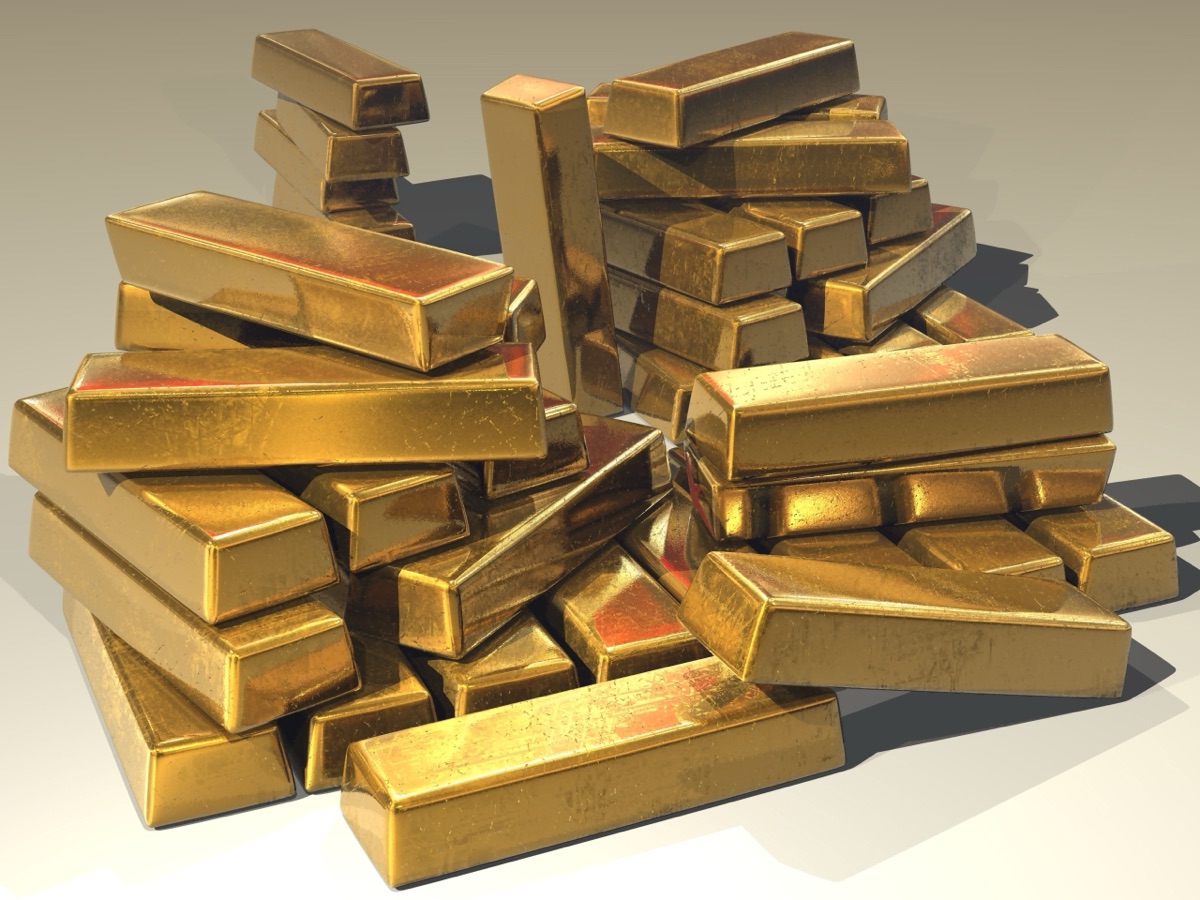
Gold has stayed brilliantly bright for thousands of years, and the textbook answer was almost a shrug: gold is 'noble,' so it just doesn't react with oxygen. A new study from Tulane University, published in Physical Review Letters, reveals something far more elegant. Using quantum-mechanical simulations, the team found that the atoms on a gold surface spontaneously rearrange from an open, square-like grid into a tightly packed hexagonal pattern - and that reshuffle leaves oxygen molecules no room to split apart, which is the essential first step of rusting. The single rearrangement slows oxidation by a factor of a billion to a trillion. The beautiful twist: the very trick that keeps gold flawless also makes it a lazy catalyst, so learning to switch it off on purpose could unlock better gold catalysts for clean energy and cleaner car exhaust.
Read more →
Jul 11, 2026, 1:15 PM ETScience
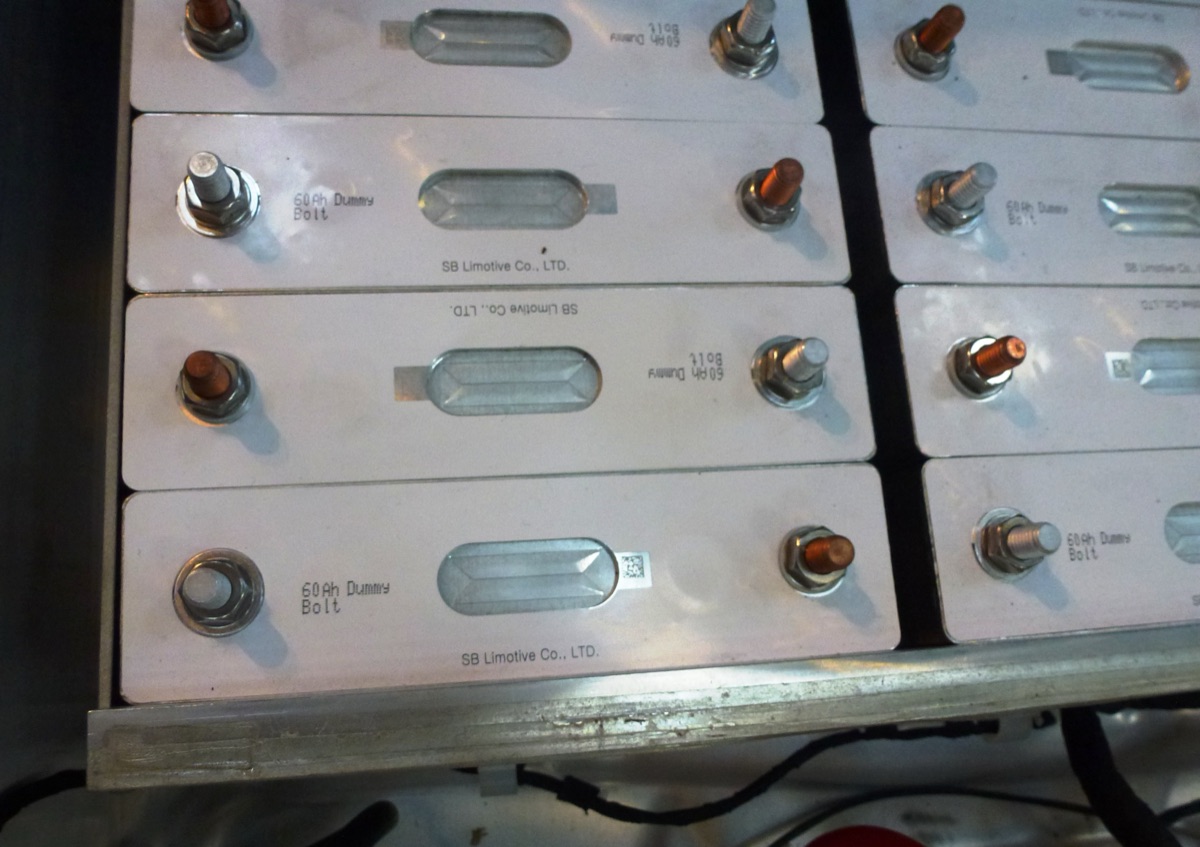
For years, the solid-state battery has been the great promise of clean tech: swap the flammable liquid inside today's lithium-ion cells for a solid ceramic, and you get a battery that is safer, denser, and longer-lasting - potentially a phone that runs for days and an electric car with roughly three times the range. One stubborn flaw kept getting in the way: needle-like fingers of lithium metal, called dendrites, somehow crack the rock-hard ceramic and short the cell out. How something soft could split something hard had been fiercely debated for a decade. Now a team from the Max Planck Institute for Sustainable Materials and Shanghai Jiao Tong University has settled it. Using cryo-electron microscopy under vacuum, they showed the failure is purely mechanical: lithium trapped in a tiny crack builds up enormous internal pressure and splits the ceramic apart - as first author Dr. Yuwei Zhang puts it, 'like a continuous waterjet that penetrates a rock.' Crucially, they ruled out the rival theory. Knowing the true mechanism hands engineers a clear list of fixes - and moves one of the most important batteries of the coming decade closer to reality. Published in Nature.
Read more →

 العربية
 Español
 中文
中文 Deutsch
 Français
 Português