
 العربية
 Español
 中文
中文 Deutsch
 Français
 Português
On May 18, 2026, a federal jury in Oakland, California unanimously rejected every claim in Elon Musk's lawsuit against OpenAI, Sam Altman, and Greg Brockman. The deliberation lasted about 90 minutes. Judge Yvonne Gonzalez Rogers immediately accepted the jury's findings. Up to $150 billion in damages and the entire structure of the most influential AI lab in the world were on the table. None of it survived a single procedural defense: Musk sued too late.
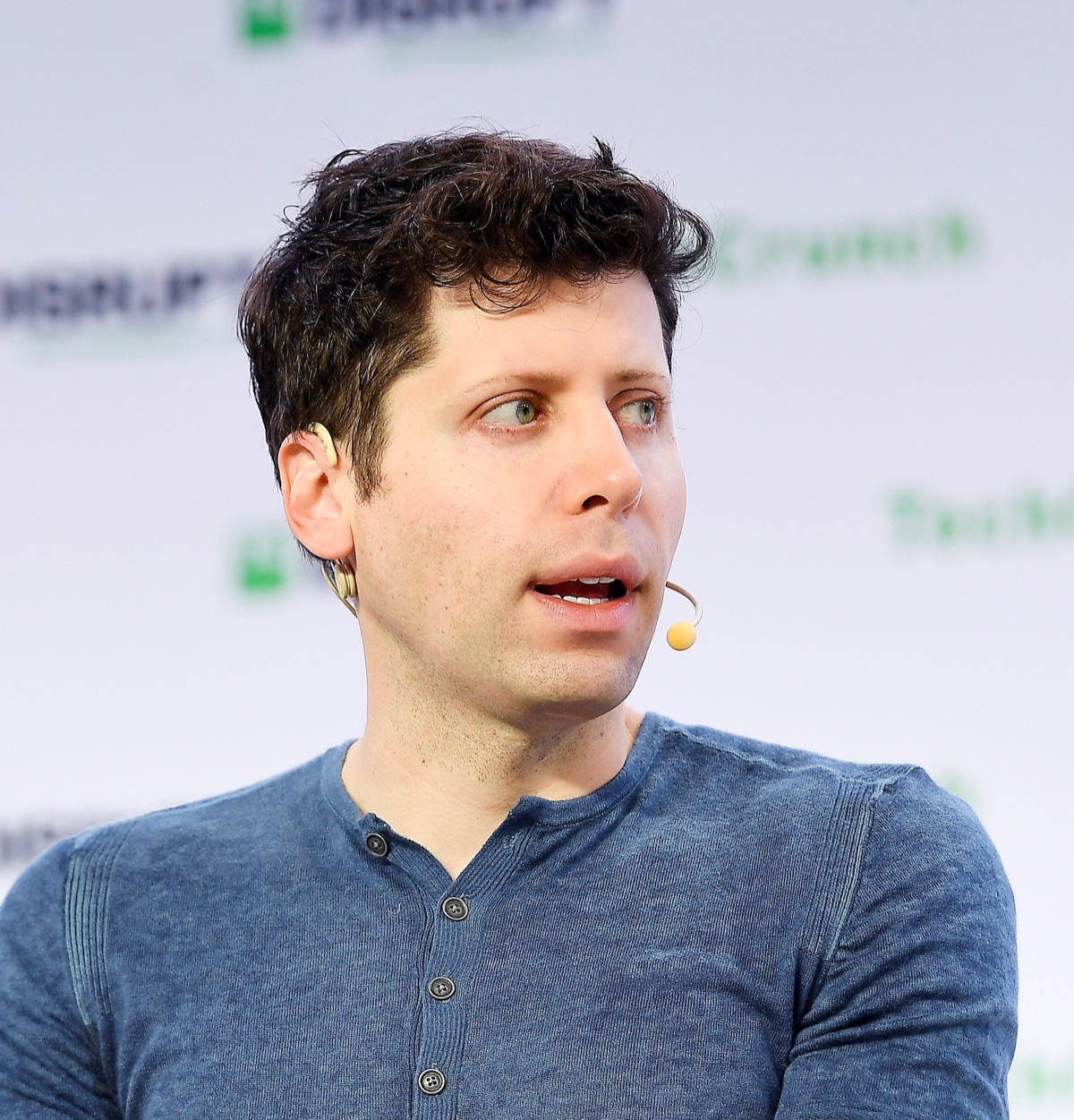
Sam Altman. He walks out of this trial with his job, his board, his Microsoft partnership, and a 90-minute jury verdict that effectively ratifies all of it. Photo: Wikimedia Commons, CC BY 2.0.
1. The Verdict in One Frame
Musk v. OpenAI - May 18, 2026, Oakland CA
- Verdict: All claims dismissed - unanimous, advisory jury (9 members)
- Deliberation time: ~90 minutes after a 3-week trial
- Winning defense: Statute of limitations - Musk filed too late in 2024
- Presiding judge: Yvonne Gonzalez Rogers, US District Court, Northern District of California
- Judge's action: Accepted jury's findings immediately as her own
- Musk response: "Calendar technicality" on X - will appeal
2. What Was on the Table
Musk filed the lawsuit in February 2024, naming Sam Altman, Greg Brockman, and OpenAI as defendants. The core allegation: Altman and Brockman "stole a charity" by converting OpenAI - originally established as a 501(c)(3) research nonprofit Musk helped fund in 2015 - into a structure with a powerful for-profit arm, then enriching themselves on the upside.
The relief Musk asked for was historic in scale:
| Relief Requested | Scale |
| Disgorgement to OpenAI nonprofit | Up to $150 billion |
| Leadership removal | Sam Altman + Greg Brockman |
| Corporate restructuring | Full unwinding of the for-profit conversion |
| Microsoft impact (indirect) | The $13B+ investment structure depended on the for-profit conversion |
If any meaningful portion of this had landed, OpenAI as it exists today - the company that ships ChatGPT, that took Microsoft's investment, that runs the Stargate buildout, that just announced GPT-5.5 - would have been structurally rewritten.
3. What Actually Happened
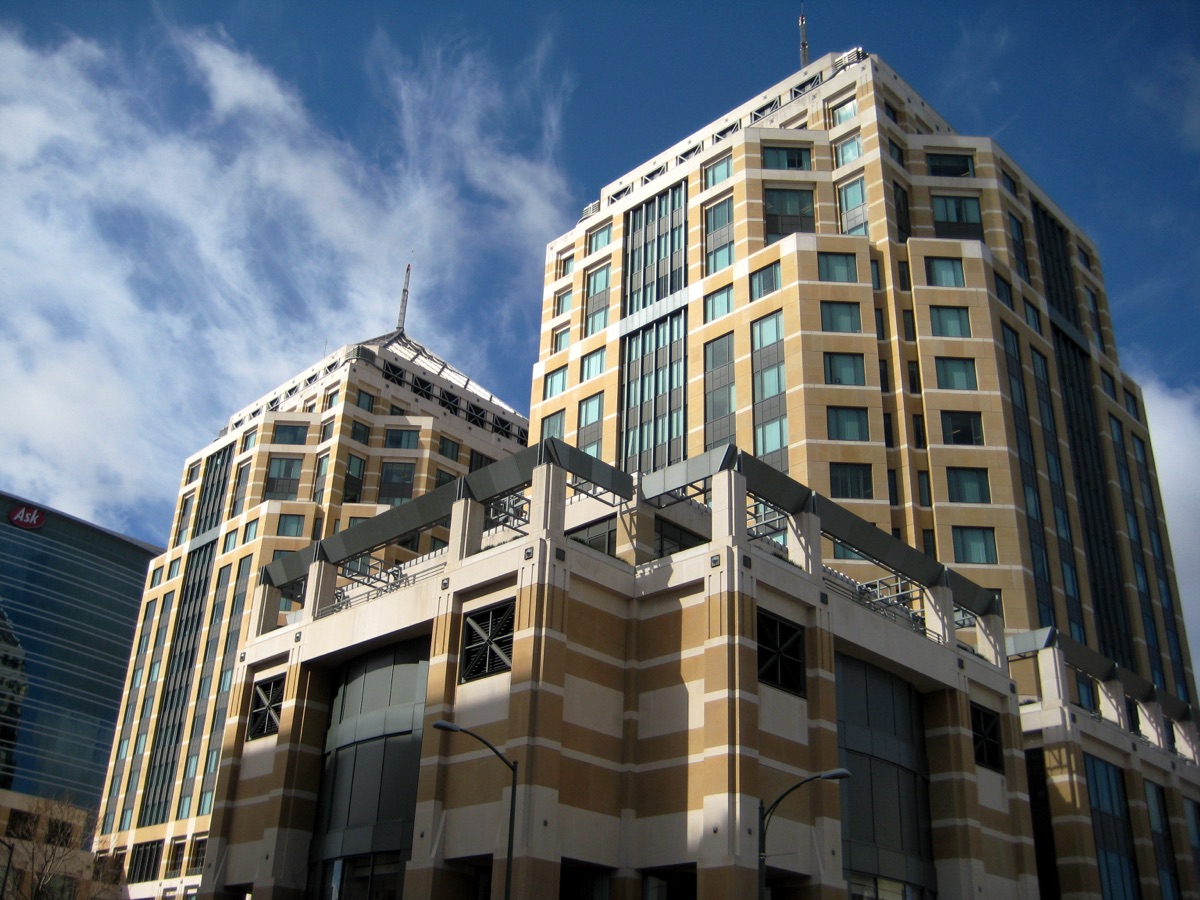
The Ronald V. Dellums Federal Building in Oakland - where the jury delivered its verdict in about 90 minutes. Photo: Wikimedia Commons, CC BY 2.0.
None of it survived a single procedural defense.
The nine-member advisory jury was unanimous: Musk's core claims were filed outside the statute of limitations. The conduct Musk complained about (Altman's role in the for-profit conversion, the alleged "stolen charity") had occurred long enough before February 2024 that the legal window had already closed.
Trial duration: 3 weeks
Jury deliberation: ~90 minutes
Outcome: Unanimous dismissal of all claims
Judge's response: Accepted jury findings immediately
An advisory jury verdict, in this kind of equitable case, is technically non-binding on the judge. Judge Gonzalez Rogers could have set it aside. She did not. She adopted the jury's findings as her own - meaning the case is dismissed at the trial court level on the statute-of-limitations theory.
4. Musk's Response
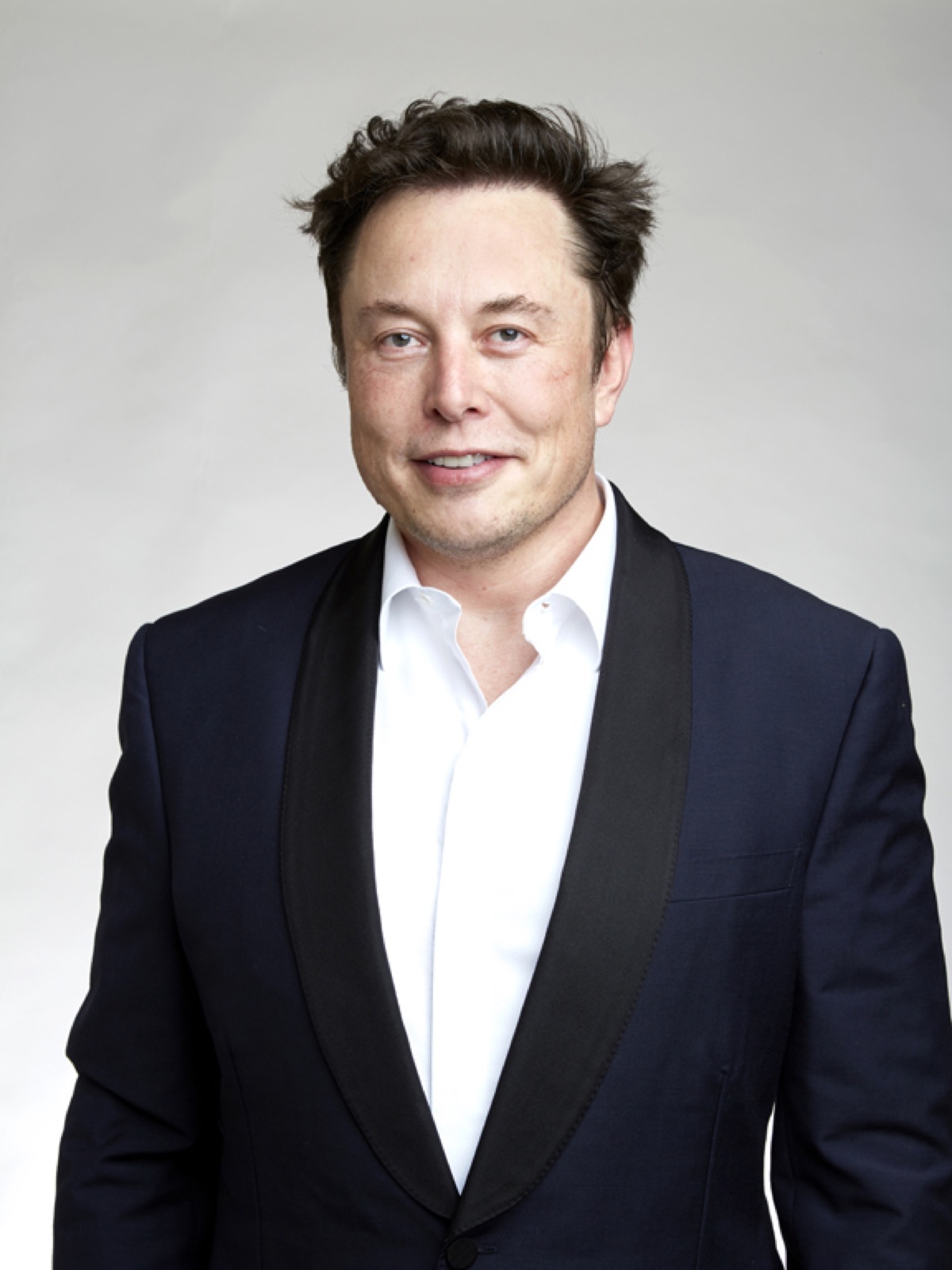
Elon Musk. He called the verdict a "calendar technicality" on X and said he will appeal. Photo: Wikimedia Commons, CC BY-SA 4.0.
Within hours of the verdict, Musk posted on X calling the dismissal a "calendar technicality" - framing the loss as procedural rather than substantive.
His lead attorney, Marc Toberoff, was more direct in a press conference outside the courthouse: "This one is not over. I can sum it up in one word: appeal."
The appeal math: A statute-of-limitations dismissal is a hard one to overturn. The Ninth Circuit reviews limitations findings under deferential standards when they involve factual questions about when a plaintiff knew or should have known about the alleged conduct. Musk's appeal will have to argue that the trial court applied the wrong legal standard or that no reasonable jury could have found the limitations had run. Neither is impossible. Both are uphill.
5. Why It Matters
5.1 OpenAI's structure is locked in
The for-profit conversion - the thing the lawsuit was really about - is no longer under legal threat at the trial court level. Microsoft's $13 billion+ investment, the Altman governance arrangement, the capped-profit economics distributing returns to OpenAI's nonprofit parent - all preserved.
5.2 Sam Altman keeps his seat
The November 2023 board crisis was a governance shock that nearly removed Altman. Musk's lawsuit was the legal echo of that crisis - an attempt to do via court order what the board failed to do via process. The May 18 verdict closes the legal chapter. Altman's authority over OpenAI is no longer contested in court.
5.3 Musk's leverage shifts to compute and xAI
| Lever | Status |
| Legal action against OpenAI | Dismissed - appeal pending but uphill |
| xAI / Grok frontier models | Active - competing with OpenAI at the frontier |
| SpaceXAI compute supply | Active - Colossus 1 leased to Anthropic earlier this month |
| Orbital data centers | Long-term thesis - Starship-deployed compute |
Musk now competes with OpenAI through xAI and through control of compute supply (the SpaceXAI-Anthropic deal we analyzed earlier this month). The litigation lever is functionally gone.
5.4 The biggest legal cloud over US AI just lifted
For 27 months the industry has watched this case as a potential structural shock. As of yesterday, the shock is off the table at the trial court. Appeals will take 18 to 36 months and have a much narrower path. The practical effect: OpenAI's 2026 product roadmap and capital structure are no longer hostage to a single litigation.
6. The Quiet Winner
Sam Altman walks out of this trial with: his job, his board, his company structure, his Microsoft partnership, his recently-announced enterprise joint venture with Anthropic, and a 90-minute jury verdict that effectively ratifies all of it. In a year defined by GPT-5.5, the Stargate buildout, and OpenAI's geopolitical positioning, May 18, 2026 is the legal foundation the rest of OpenAI's year sits on.
7. What to Watch Next
- Musk's appeal filing - expected within 30 days. The framing of the appeal will tell us whether it is a real legal play or a public-narrative play.
- Ninth Circuit timeline - 18 to 36 months for a substantive ruling on appeal.
- OpenAI capital moves - now that the structural risk is off the table, expect accelerated capital raises and partnerships.
- xAI competitive posture - watch whether Musk dials up xAI investment now that the courtroom strategy is exhausted.
- Microsoft response - the OpenAI deal structure that was challenged in this case is now legally validated. Microsoft's negotiating leverage in any future OpenAI restructuring just shifted.
Sources
- NPR: Jury dismisses all claims in Elon Musk's lawsuit against OpenAI CEO Sam Altman
- CNN: Musk loses case against OpenAI
- CNBC: Musk slams Altman trial verdict as a 'technicality,' vows to appeal
- PBS News: Federal court rejects Elon Musk's claims against OpenAI
- Axios: Elon Musk loses lawsuit against OpenAI, Sam Altman
- Al Jazeera: Elon Musk loses US lawsuit against OpenAI
- Jerry Cards: Anthropic-SpaceXAI compute deal (May 2026)